HENNING CHRISTIANSEN26.01.1974featuring the German artist Joseph Beuys
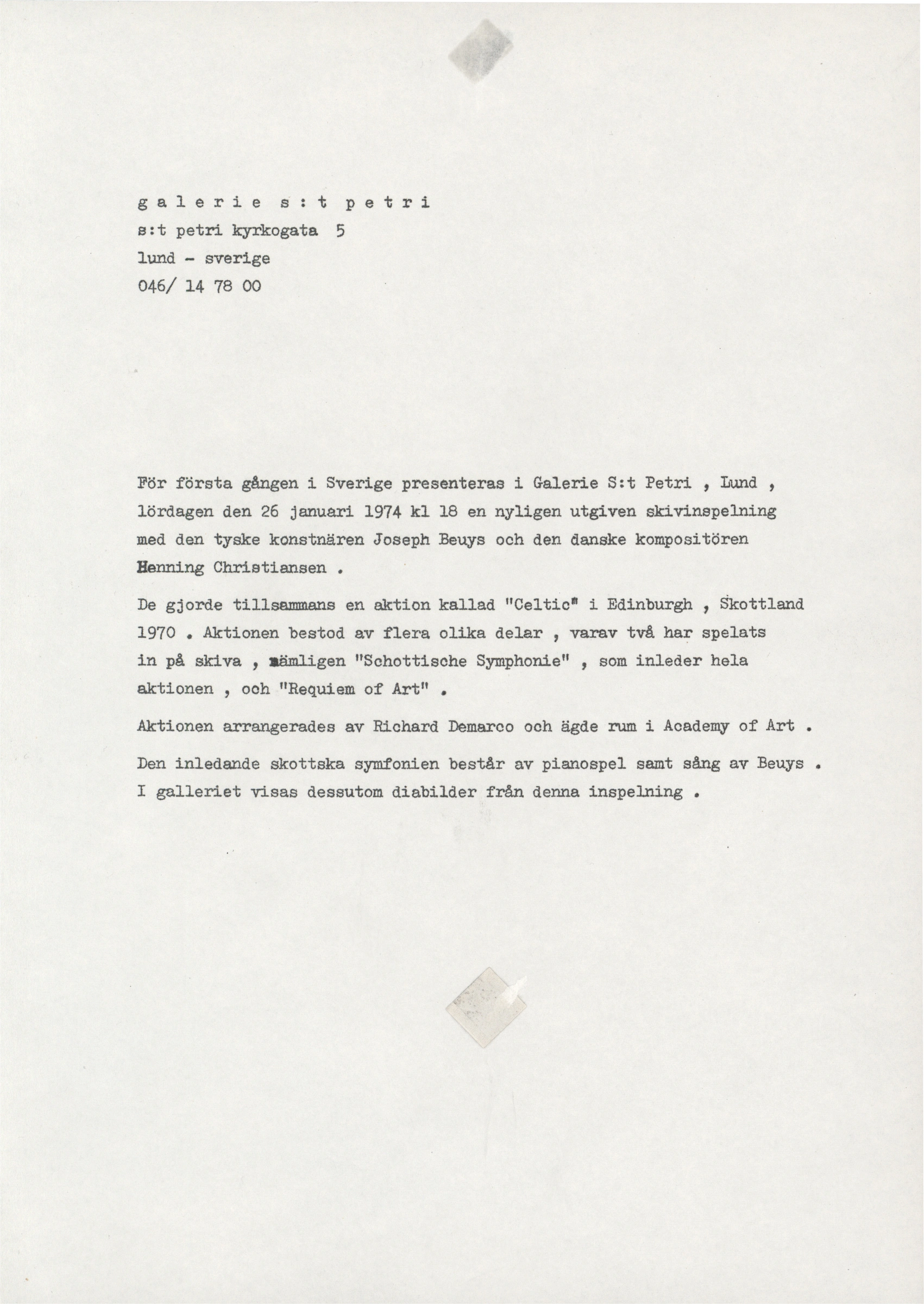
galerie s:t petri s:t petri kyrkogata 5 lund – sweden 046 / 14 78 00
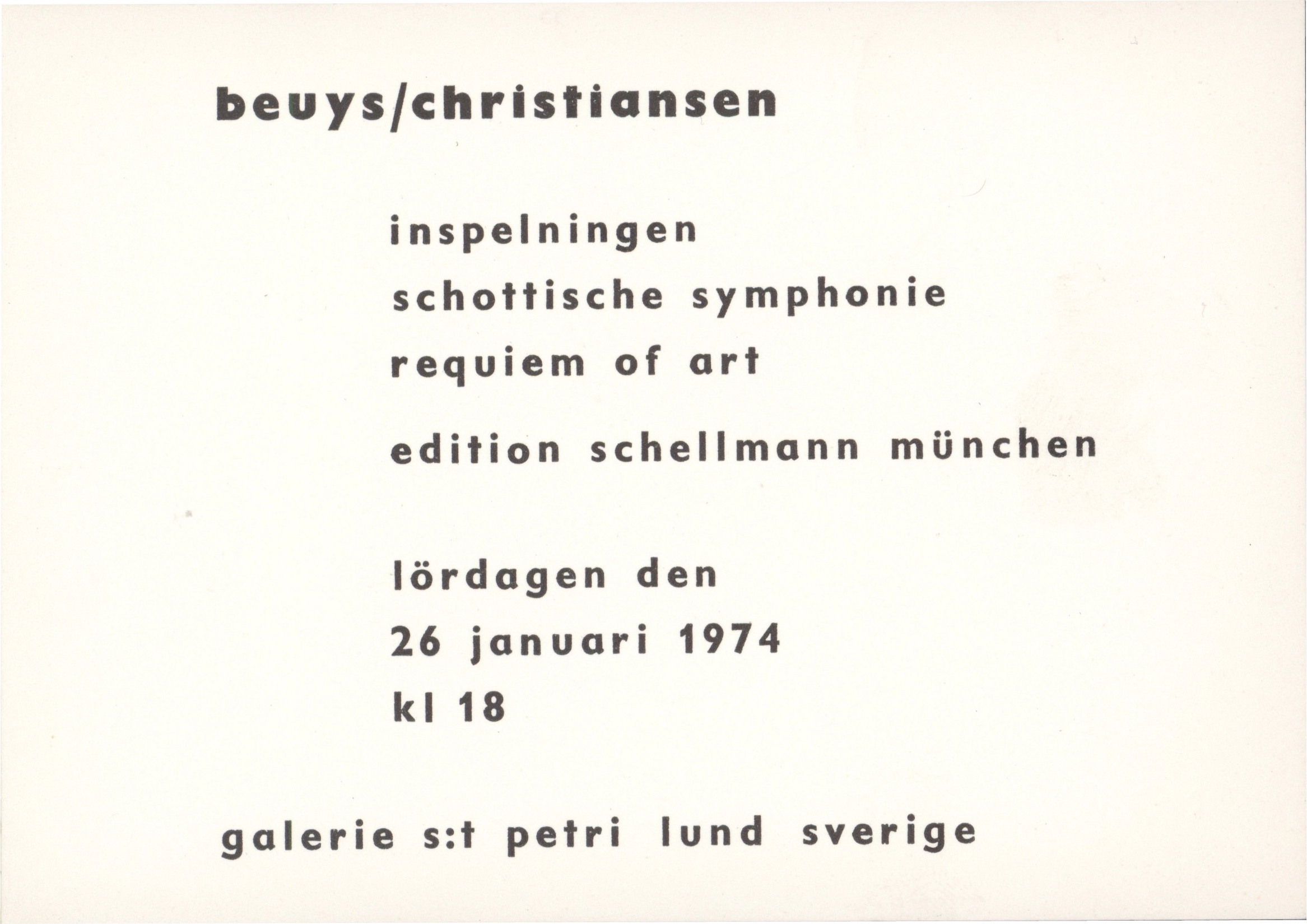
For the first time in Sweden, Galerie S:t Petri in Lund presents, on Saturday, January 26, 1974 at 6 p.m., a recently released recording featuring the German artist Joseph Beuys and the Danish composer Henning Christiansen.
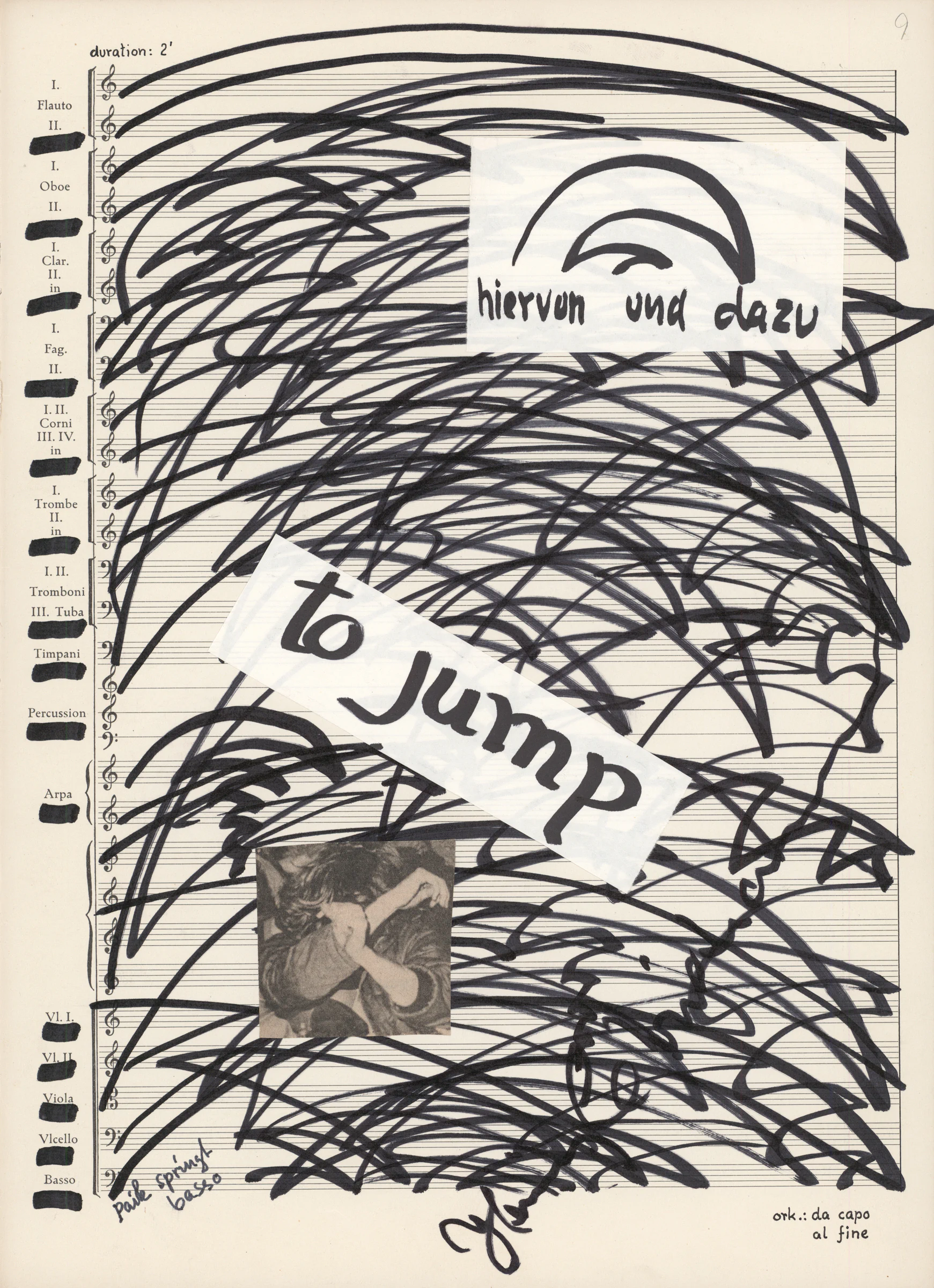
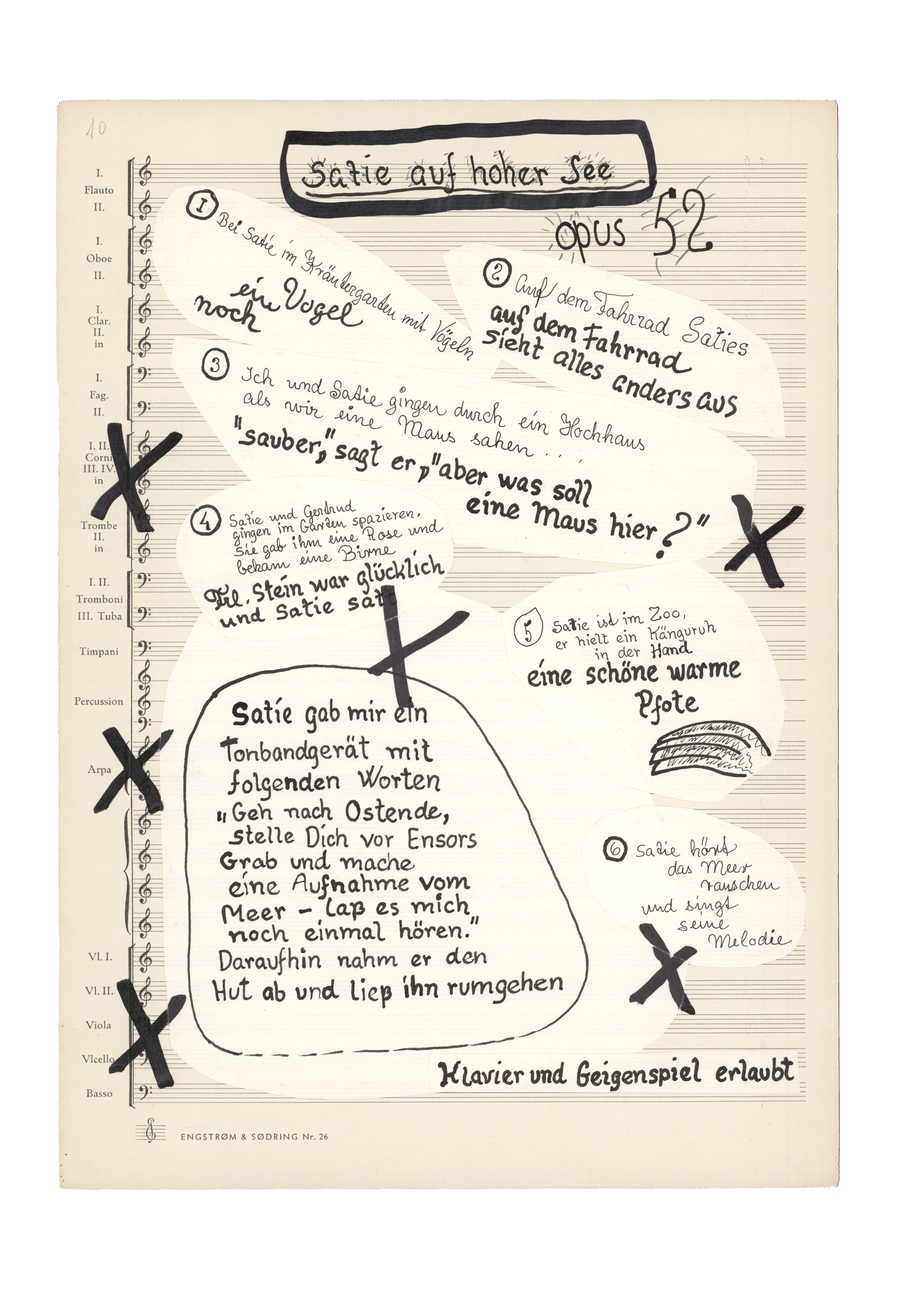
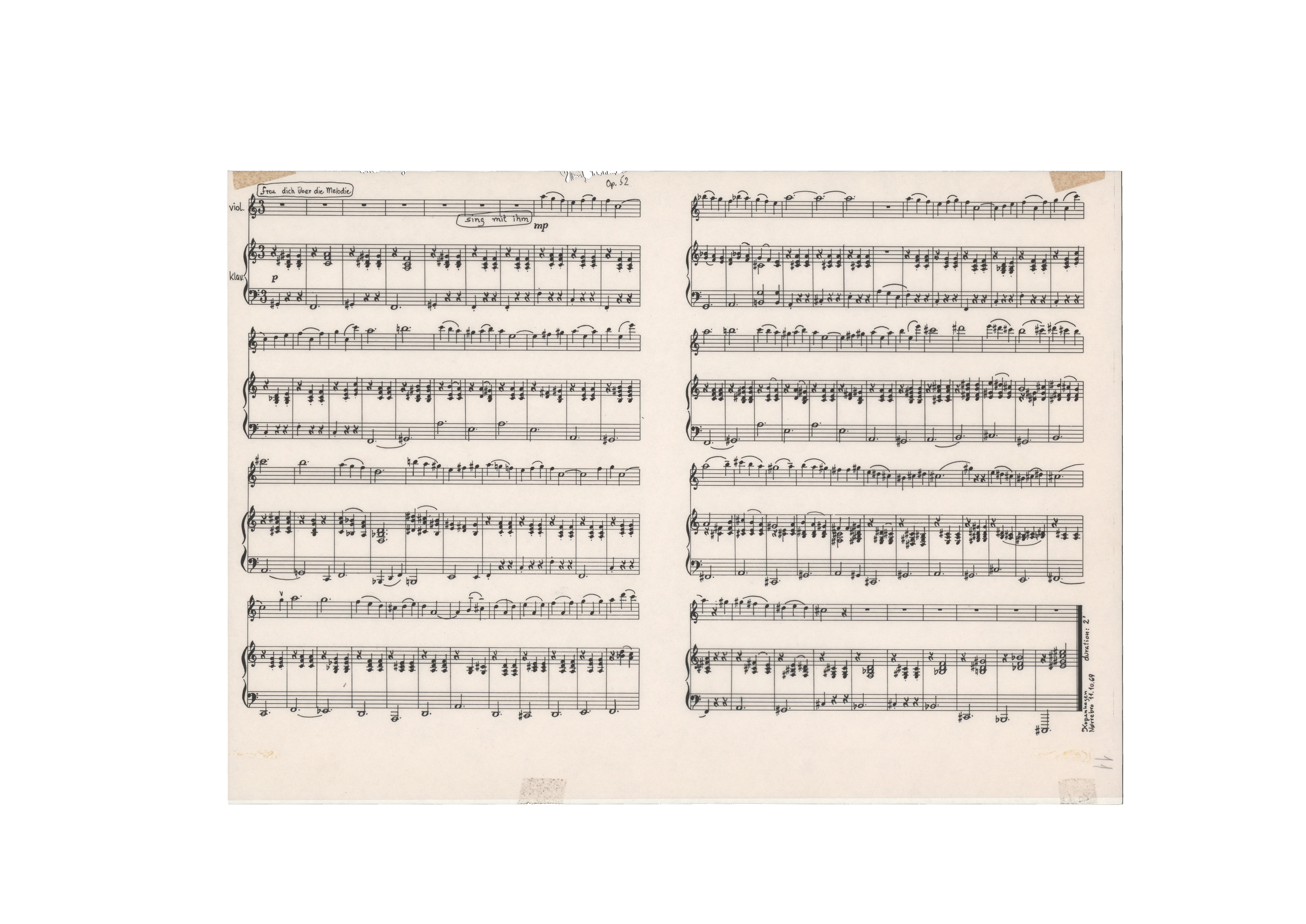
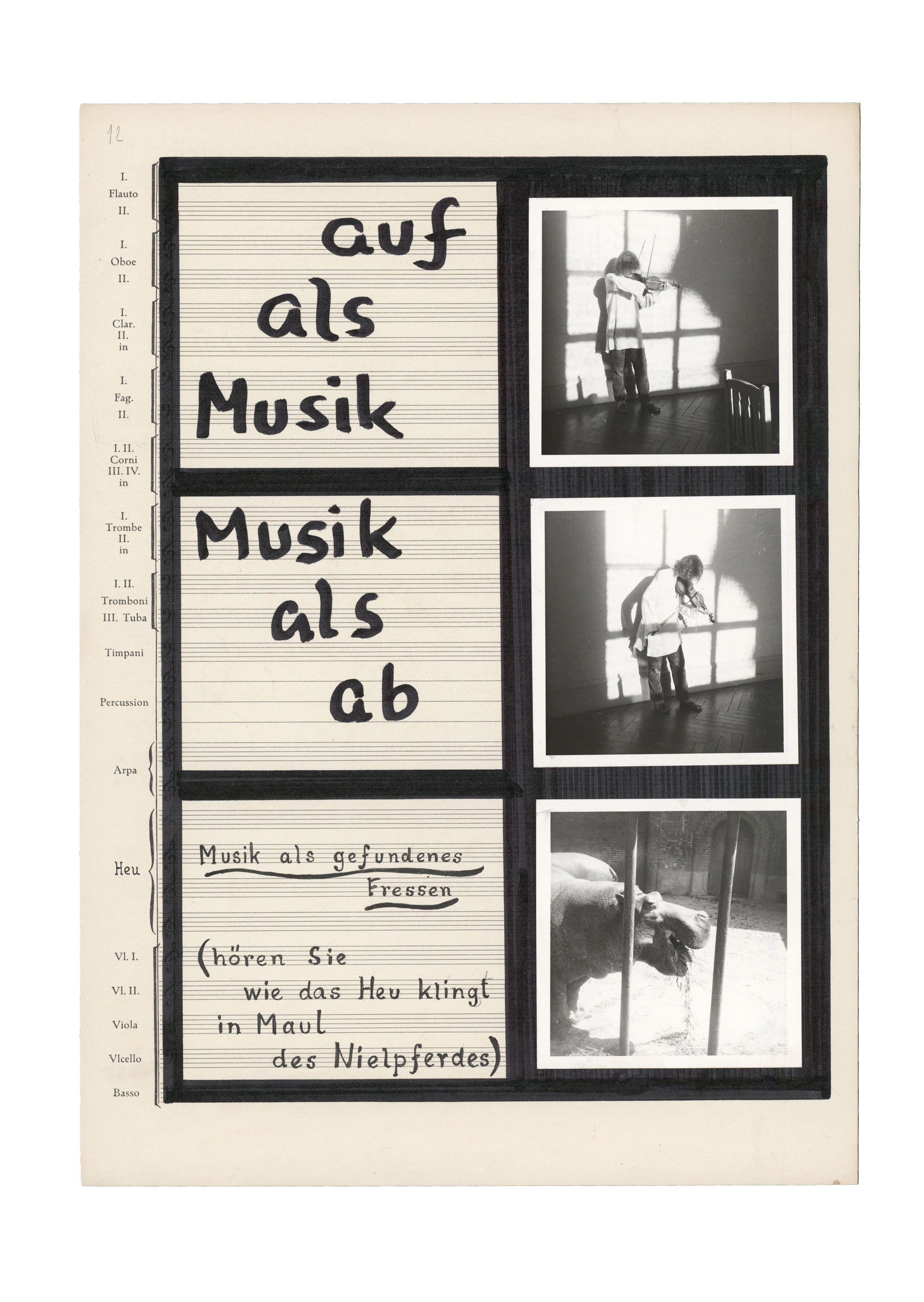
Together they carried out an action called Celtic in Edinburgh, Scotland, in 1970. The action consisted of several parts, two of which were recorded on disc: Scottish Symphony, which opens the entire action, and Requiem of Art.
The action was arranged by Richard Demarco and took place at the Academy of Art.
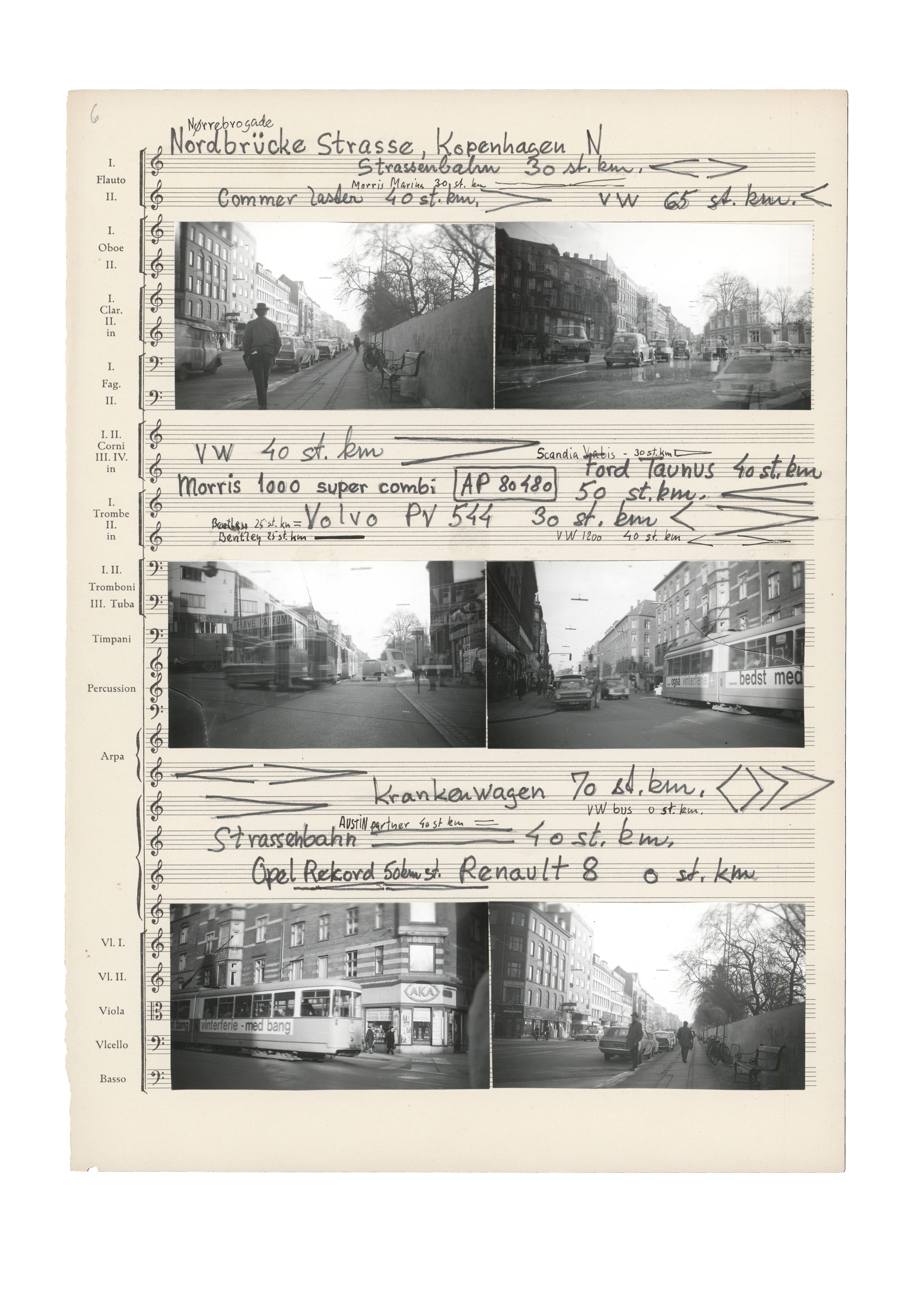
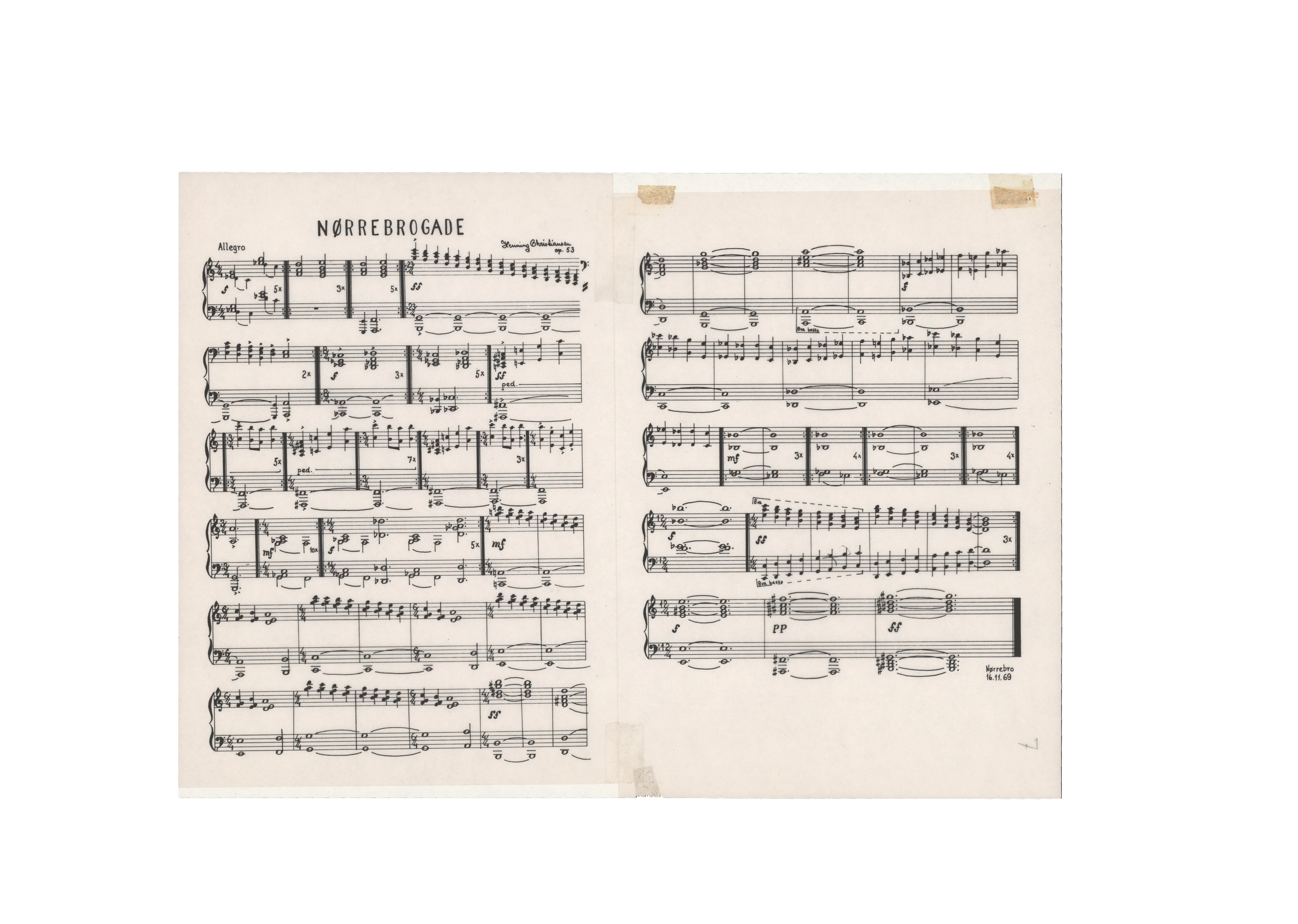
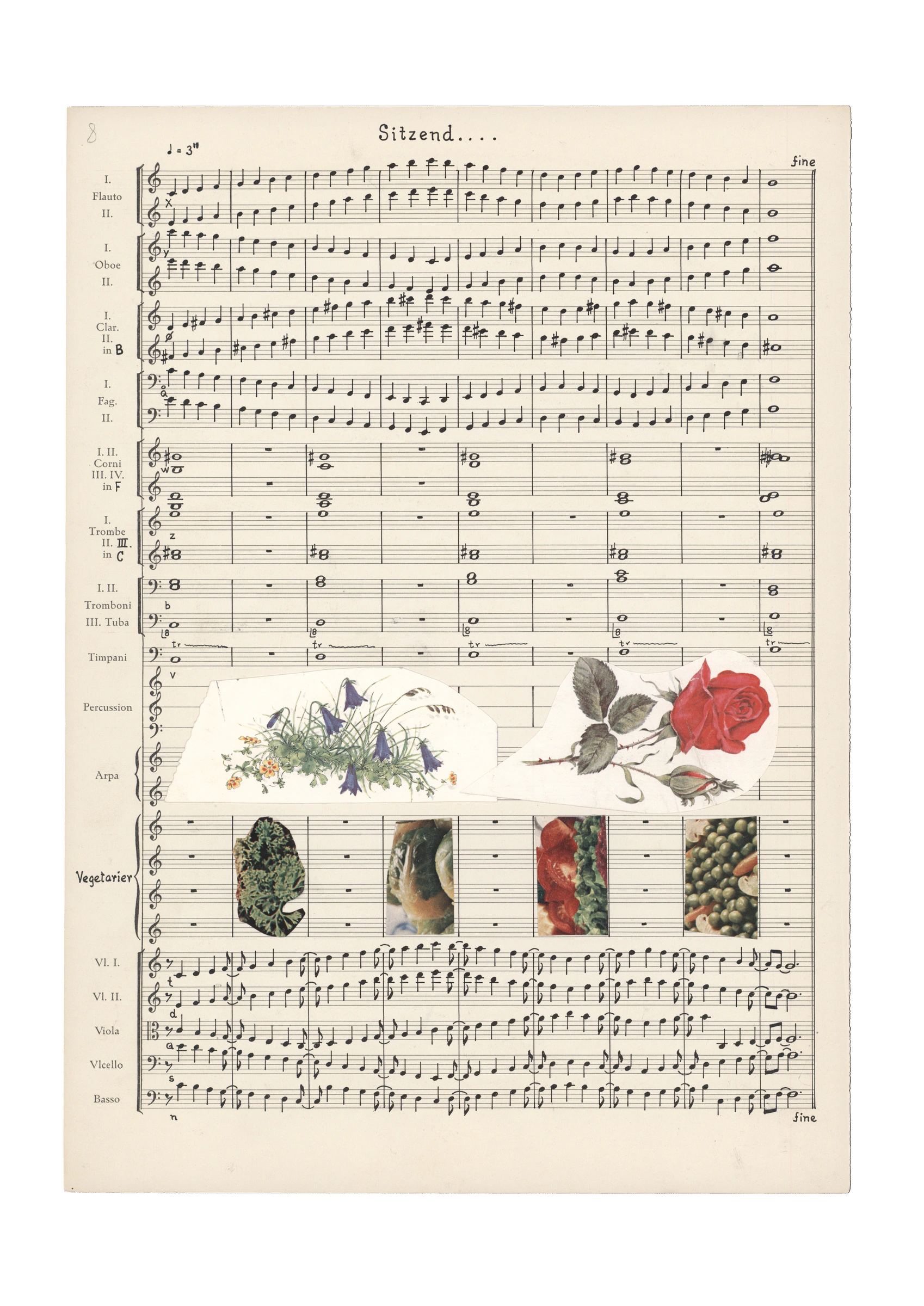
The introductory Scottish Symphony consists of piano playing along with Beuys’s singing. In the gallery, slides from this recording are also shown.
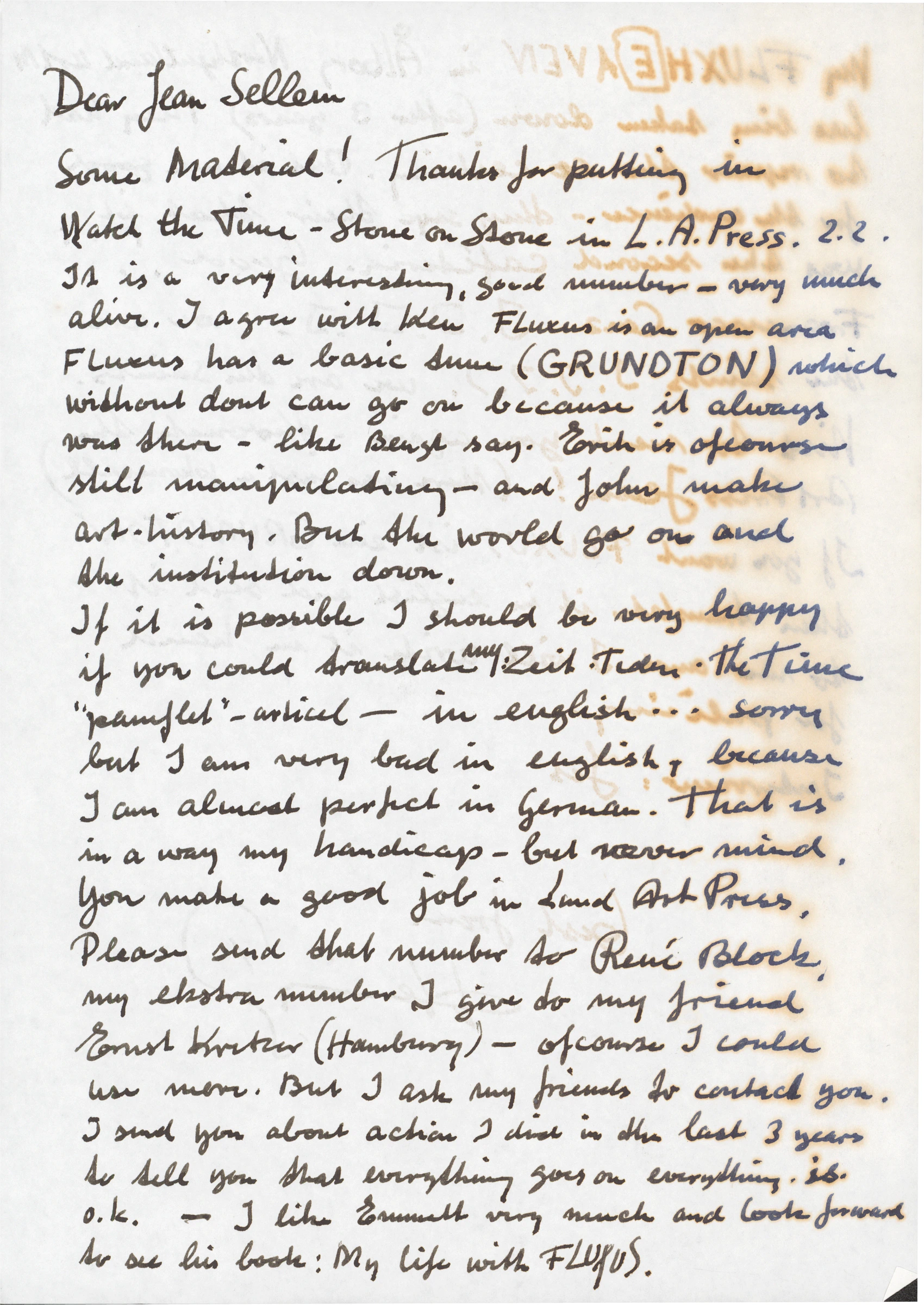
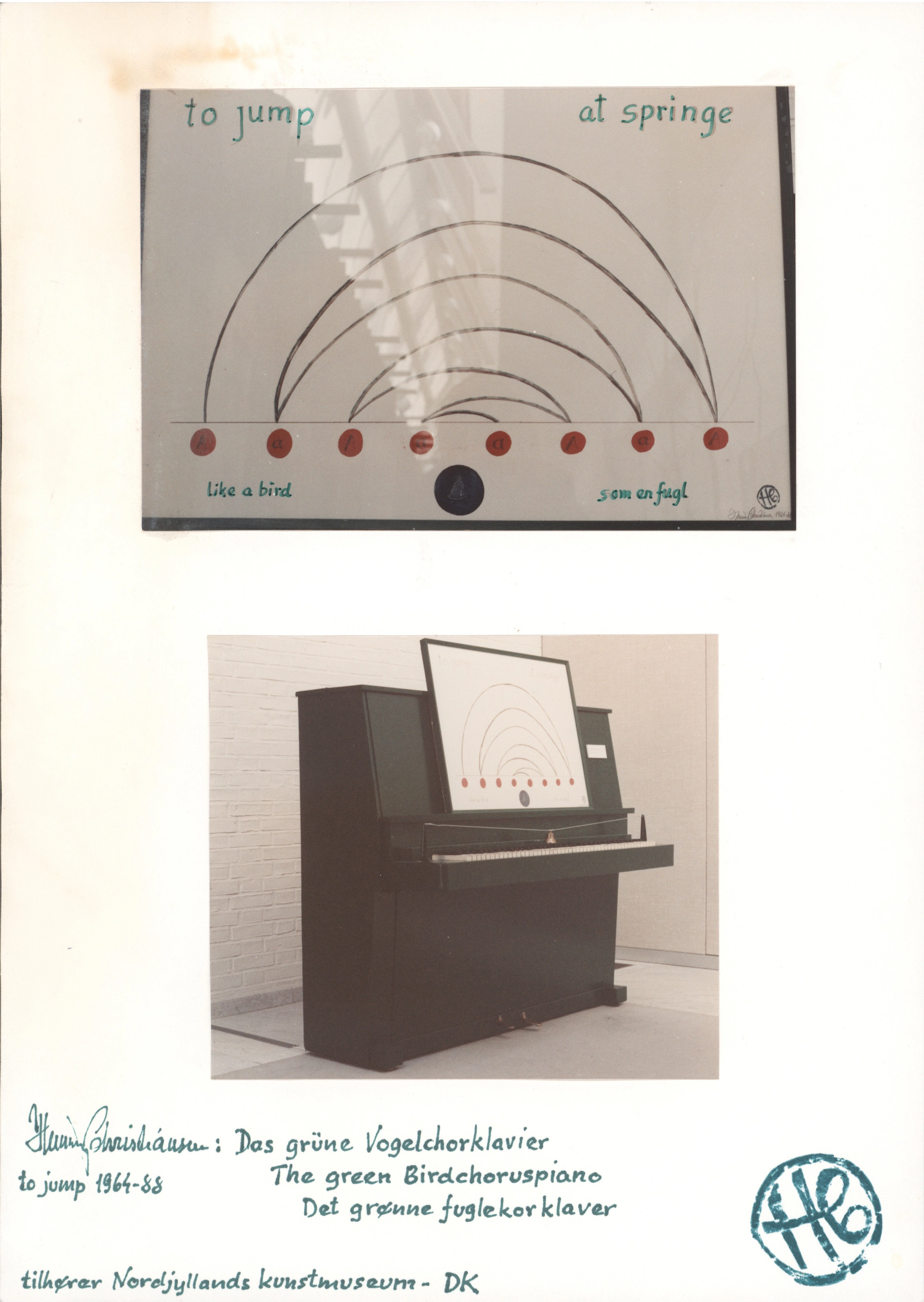
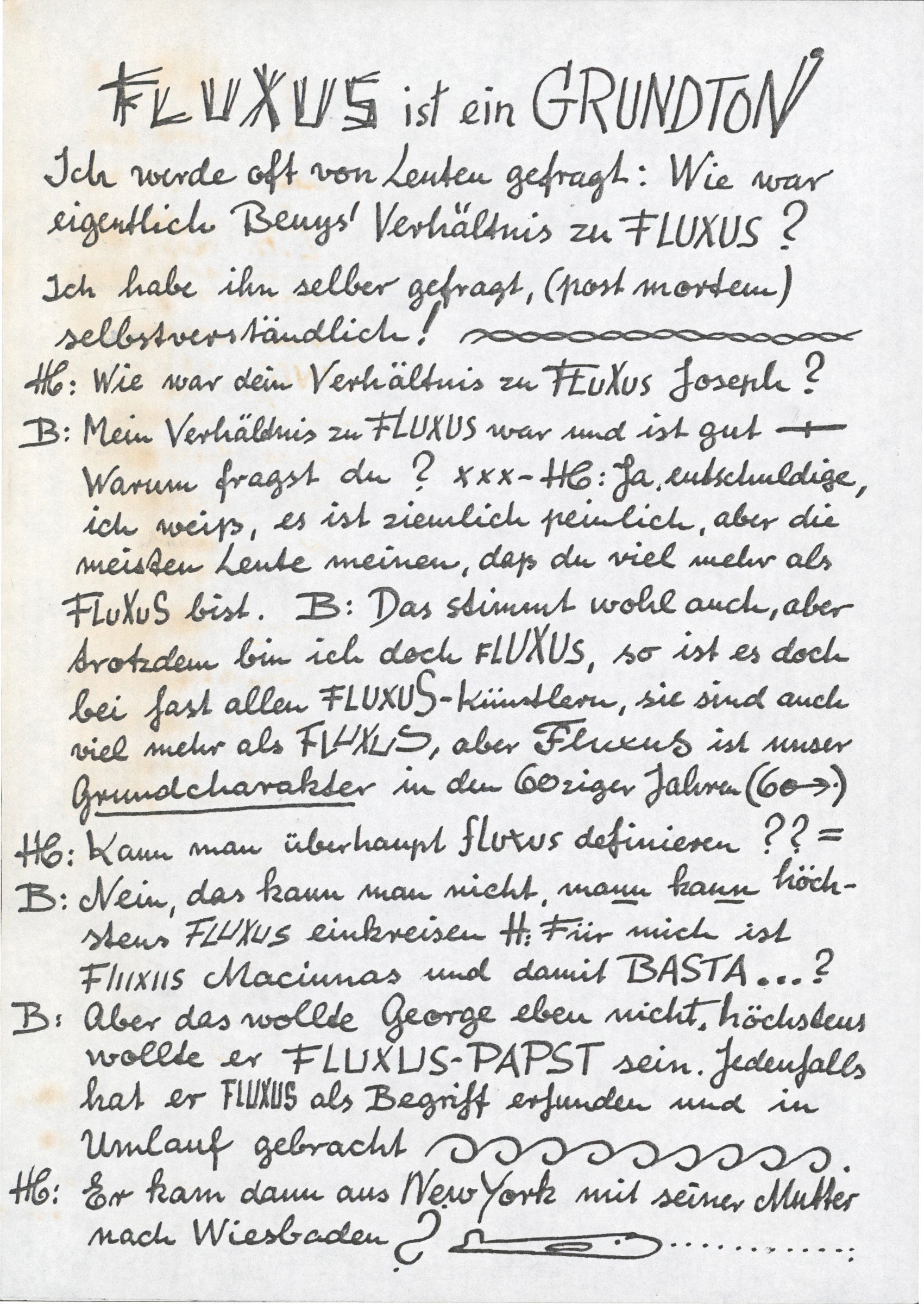
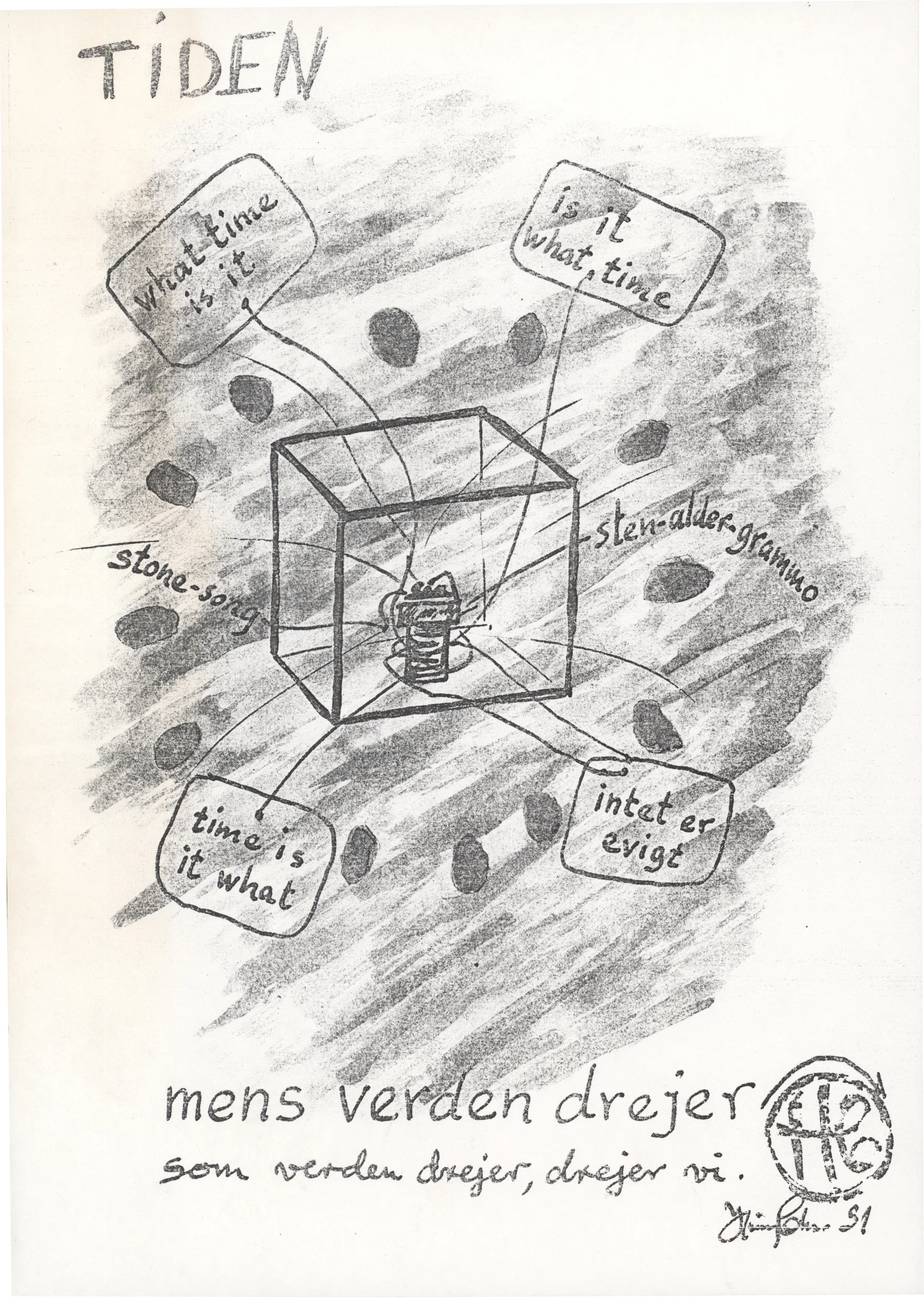
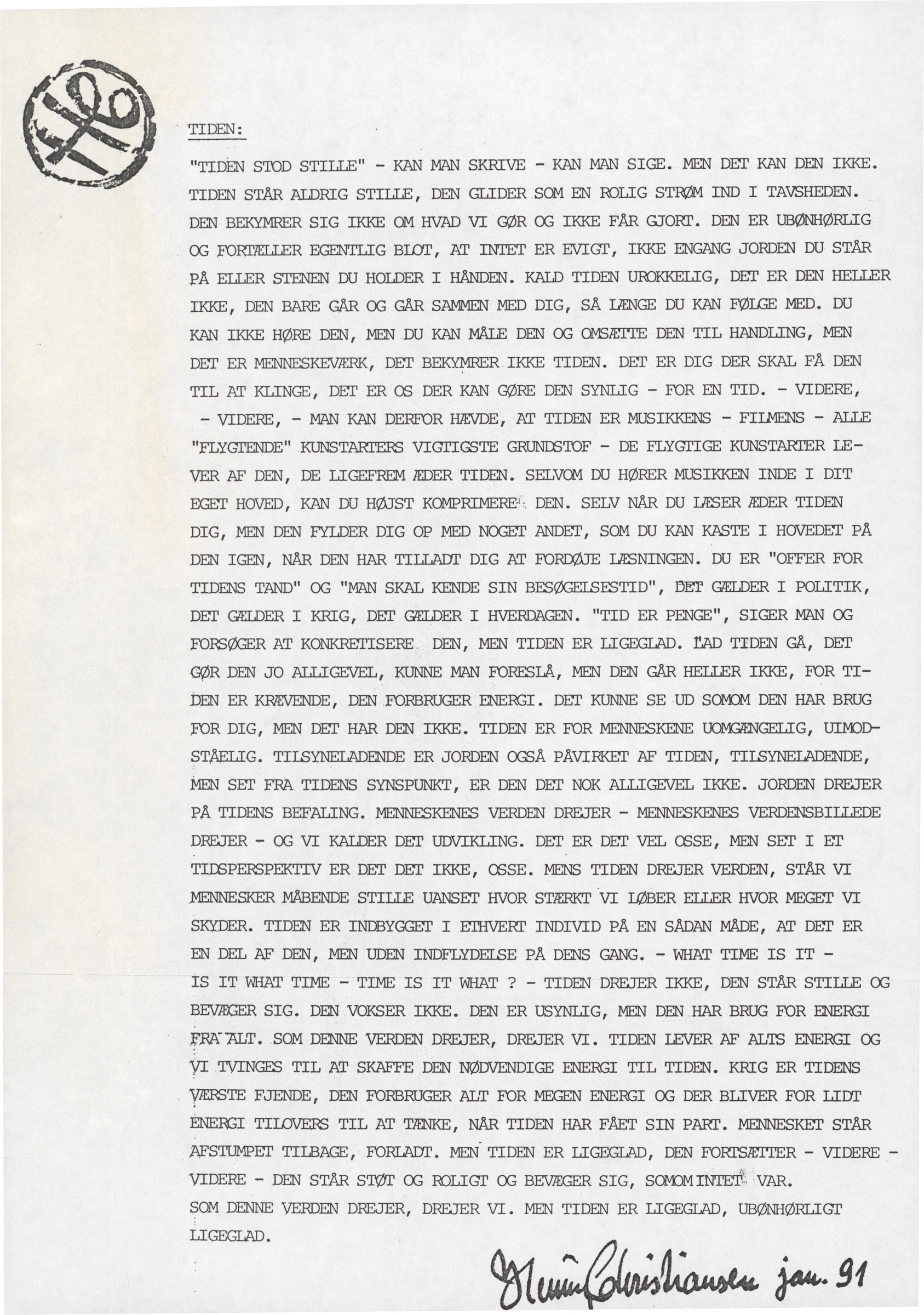
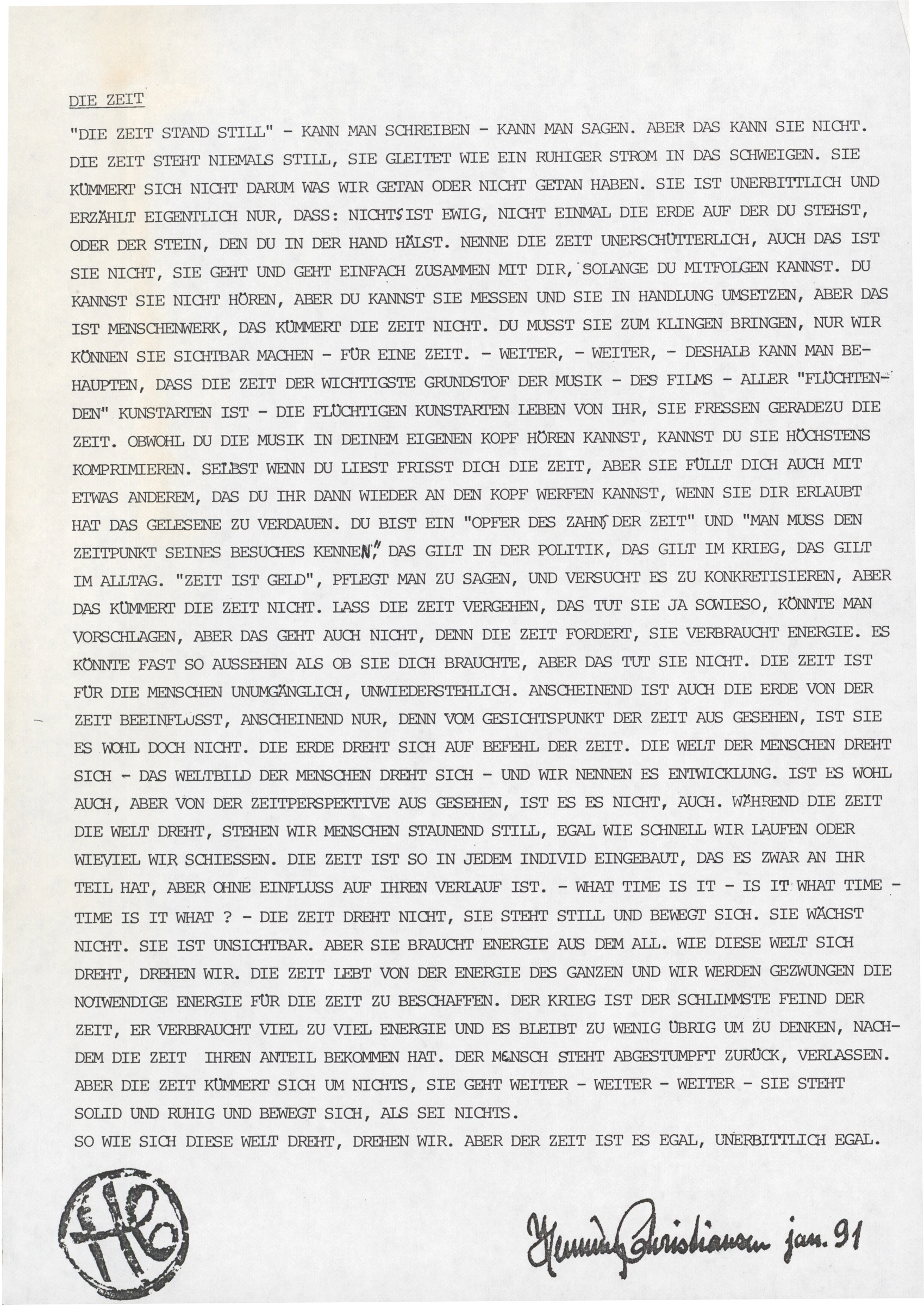
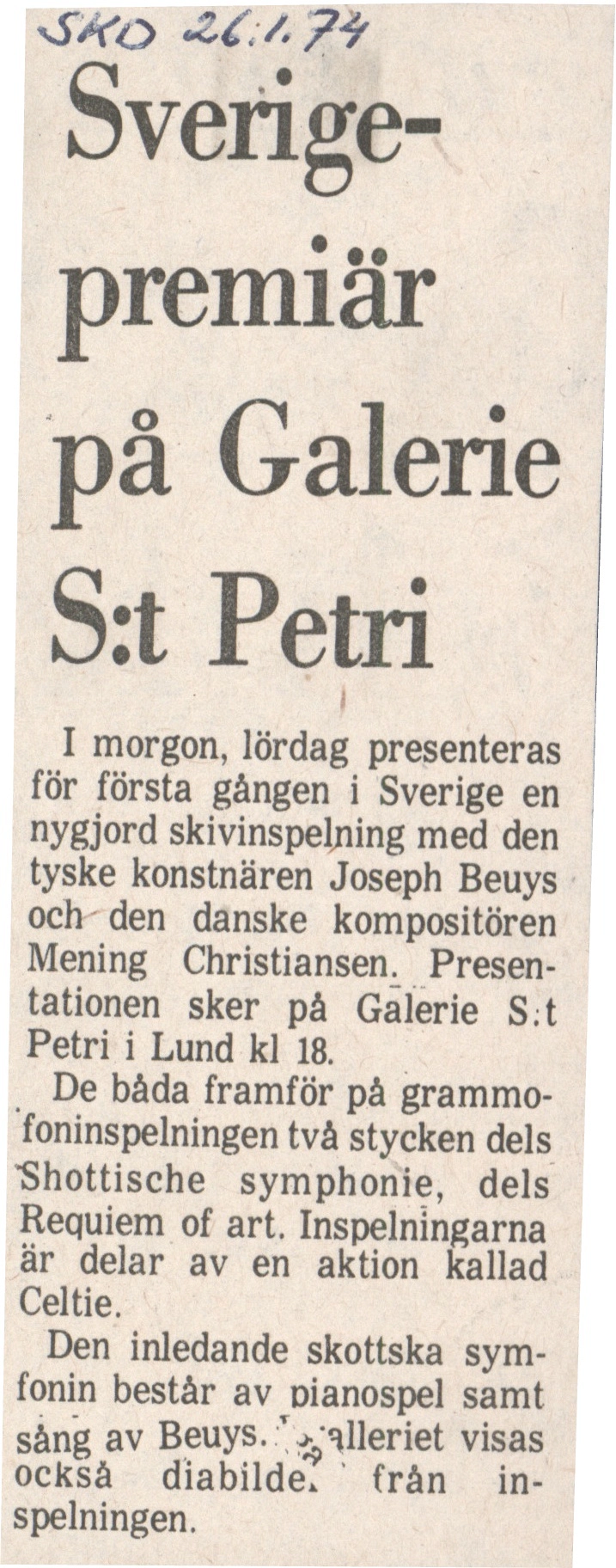
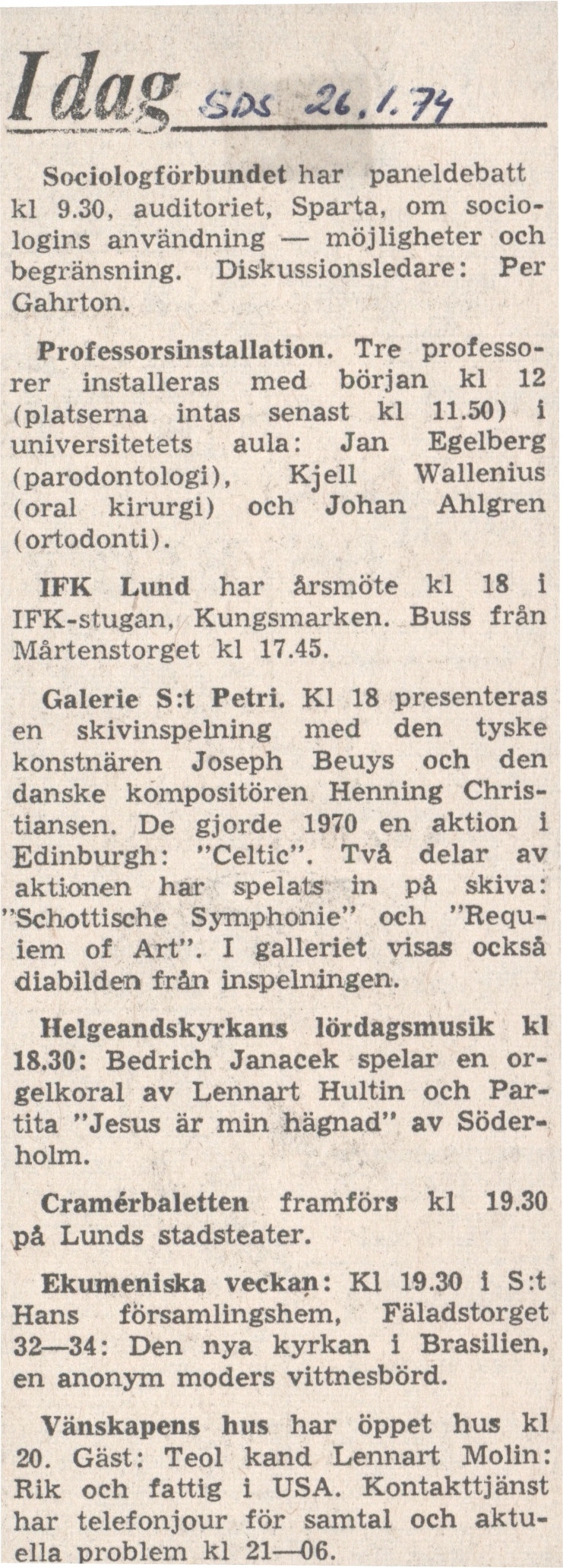
[JEANSELLEM VIEWER] — HENNING CHRISTIANSEN 26.01.1974 featuring the German artist Joseph Beuys — Categories: press, letters, docs, visual — Keywords: Galerie S:t Petri, Jean Sellem, archive — Category: press — For the first time in Sweden, Galerie S:t Petri in Lund will present, on Saturday, 26 January 1974 at 6 p.m., a recently released recording featuring the German artist Joseph Beuys and the Danish composer Henning Christiansen.Together they carried out an action entitled “Celtic” in Edinburgh, Scotland, in 1970. The action consisted of several different parts, two of which were recorded: “Schottische Symphonie”, which opens the entire action, and “Requiem of Art”.The action was organized by Richard Demarco and took place at the Academy of Art.The opening Scottish symphony consists of piano playing as well as singing by Beuys.Slides from this recording will also be shown in the gallery. — — — Category: letters — Dear Jean SellemSome material! Thanks for putting inWatch the Time - Stone on Stone in L.A. Press. 2.2.It is a very interesting, good number - very much alive. I agree with Ben Vautier FLUXUS is an open area.Fluxus has a basic sound (GRUNDTON) which without doubt can go on because it always was there - like Beuys say. To think is of course still manipulations - and John make art-history. But the world go on and the institution down.If it is possible I should be very happy if you could translate my: ZEIT. TIDEN. THE TIME (pamphlet) - article - in english... sorry, but I am very bad in english, because I am almost perfect in german. That is in a way my handicap - but never mind.You make a good job in Lund Art Press. Please send that number to René Block. My extra number I give to my friend Ernst Kretzer (Hamburg) - of course I could use more. But I ask my friends to contact you.I send you material about action I did in the last 3 years to tell you that everything goes on, everything is O.K. - I like Emmett very much and look forward to see his book: My life with FLUXUS. — My FLUXH(E)AVEN in Ålborg Nordjylland kunstm has being taken down (after 3 years) they had to repair the ceiling. But it was good for the audience - they say - think that it was the second cafeteria. Good...Francesco Conz J.J.J.J. we are the saints.Y.Y.Y.Y. we are the saints.Nice too meet you again - through the Art Press Jean! (there was just a phonecall)If you want FLUXUS ist ein GRUNDTON then translate it in english and send it to me and I will write it in hand for publishing.Interview: yesbest fromHenning — With built-in cassette player with birdsong. — — — Category: docs — TIMEwhile the world turnsas the world turns, we turn. — TIME:“TIME STOOD STILL” — one can write it — one can say it. But it cannot.Time never stands still; it glides like a quiet current into silence. It does not concern itself with what we do or fail to do. It is relentless and really tells us only that nothing is eternal, not even the earth you stand on or the stone you hold in your hand. Call time immovable; it is not that either. It simply goes on and on together with you, for as long as you can keep up. You cannot hear it, but you can measure it and translate it into action; but that is human work, and time is not concerned with it. It is you who must make it sound, it is we who can make it visible — for a time. — Onward, onward.One can therefore claim that time is the most important raw material of music, film, and all “fleeting” art forms. The fleeting arts live from it; they quite literally consume time. Even if you hear the music inside your own head, at most you can compress it. Even when you read, time consumes you, but it fills you with something else that you can then throw back at it once it has allowed you to digest the reading. You are a “victim of the tooth of time”, and “one must know when one’s visit is over”; this applies in politics, in war, and in everyday life. “Time is money”, people say, trying to make it concrete, but time does not care. Let time pass, one might suggest — it does anyway — but it does not merely pass either, because time is demanding; it consumes energy. It may look as though it needs you, but it does not. Time is unavoidable for human beings, irresistible.Apparently the earth is also affected by time — apparently — but seen from time’s own point of view, perhaps it is not after all. The earth turns at time’s command. The human world turns — the human image of the world turns — and we call it development. Perhaps it is, too, but seen in a time-perspective, it is not that either. While time turns the world, we human beings stand open-mouthed and still, no matter how fast we run or how much we shoot.Time is built into every individual in such a way that it is a part of the person, but without influence over its course. — WHAT TIME IS IT — IS IT WHAT TIME — TIME IS IT WHAT? — Time does not turn; it stands still and moves. It does not grow. It is invisible, but it needs energy from everything. As this world turns, we turn. Time lives from all energy, and we are forced to provide the energy time needs.War is time’s worst enemy; it consumes far too much energy, leaving too little energy for thought once time has taken its share. Human beings are left blunted, abandoned. But time does not care; it continues — onward — onward. It stands quietly and calmly and moves, as if nothing had happened.As this world turns, we turn. But time does not care, relentlessly. — — — Category: docs — — — Category: docs — — — Category: docs — — — Category: docs — — — Category: visual — — — Category: press — Swedish premiere at Galerie S:t PetriTomorrow, Saturday, a recently made recording with the German artist Joseph Beuys and the Danish composer Henning Christiansen will be presented for the first time in Sweden. The presentation will take place at Galerie S:t Petri in Lund at 6 p.m.On the record, the two perform two pieces: “Schottische Symphonie” and “Requiem of Art”. The recordings are parts of an action called “Celtic”.The opening Scottish symphony consists of piano playing as well as singing by Beuys. Slides from the recording will also be shown in the gallery. — — — Category: press — Galerie S:t Petri. At 6 p.m., a recording featuring the German artist Joseph Beuys and the Danish composer Henning Christiansen will be presented. In 1970 they carried out an action in Edinburgh entitled “Celtic”. Two parts of the action were recorded on disc: “Schottische Symphonie” and “Requiem of Art”. Slides from the recording are also shown in the gallery.