

VERGANGENE AUSSTELLUNGEXPOSITION PASSÉEPAST EXHIBITION
KLAUS GROH, ANDRZEJ KOSTOŁOWSKI, JAROSŁAW KOZŁOWSKI, TERESA MURAK, EWA PARTUM, KAJETAN SOSNOWSKI, PETR ŠTEMBERA, ENDRE TÓT, JIŘÍ VALOCH
ZusammenfassungSummaryRésumé
1972 berichteten vier Artikel in der Schweizer Presse über die Ausstellung aktuelle kunst in osteuropa , die in der Galerie Krauthammer in Zürich gezeigt wurde und in deren Mittelpunkt das gleichnamige Buch des deutschen Kunsthistorikers Klaus Groh (1936) stand. In seinem Vorwort erläuterte Groh die Entstehung seines Projekts:
[…] einige tage später erhielt ich einige fotos und dokumente tschechoslowakischer aktivität. die originalität und die qualität der dokumente beeindruckte mich so sehr, daß ich den entschluß faßte, nach ähnlichen dokumentationen in anderen osteuropäischen ländern zu suchen. […]
Ausgehend von diesem ersten Kontakt wandte sich Groh auf dem Postweg und über ein Netzwerk persönlicher Beziehungen an Künstlerinnen und Künstler, die in der UdSSR und den Ländern des Ostblocks lebten. Mehr als 80 von ihnen antworteten und sandten ihm Informationen über ihre künstlerische Praxis. Groh veröffentlichte diese umfangreiche Dokumentation, ohne sie hierarchisch zu ordnen, und vermittelte damit in Westeuropa einen der ersten umfassenden Überblicke über die neuen Avantgarden Osteuropas.
Die Ausstellung wurde in der Schweizer Presse unterschiedlich aufgenommen. Mehrere Artikel verband jedoch dieselbe Vorstellung: Diese Künstlerinnen und Künstler hätten lediglich Tendenzen aufgegriffen, die im Westen bereits entwickelt worden waren.
Ihre künstlerischen Recherchen entstanden jedoch ebenso aus ihren lokalen Kontexten und eigenen künstlerischen Traditionen wie aus der Auseinandersetzung mit der Vorherrschaft des westlichen Modells. Sie entwickelten sich trotz der Einschränkungen und der Isolation, die ihnen die herrschenden Regime auferlegten und deren Mass an Toleranz von Land zu Land unterschiedlich war.
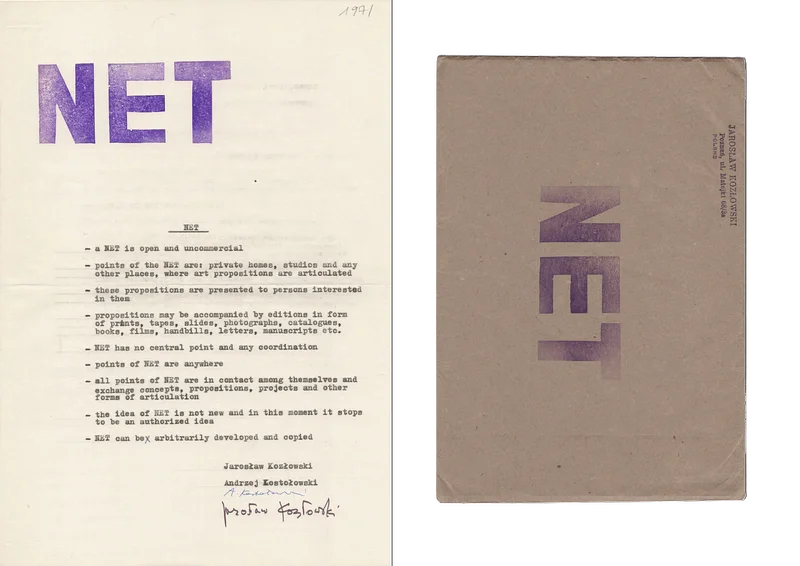
Die Schwierigkeiten, auszustellen und am internationalen Austausch teilzunehmen, begünstigten die Entstehung neuer Formen künstlerischer Produktion und Zirkulation. NET-Manifest ist dafür ein exemplarisches Beispiel. Das 1971 in Polen vom Kunsttheoretiker Andrzej Kostołowski (1940) und dem Künstler Jarosław Kozłowski (1945) initiierte Projekt stützte sich insbesondere auf den postalischen Austausch. Offen, nicht kommerziell und ohne Zentrum konnte es sich frei an verschiedenen, miteinander verbundenen Orten entfalten. Sein Manifest und Adresslisten wurden an mehr als 300 Personen verschickt – in der Schweiz unter anderem an B. Burkhard (1944–2010), H. Szeemann (1933–2005) und A. Walker (1938–2000). NET definierte sich selbst folgendermassen:
- a net is open and uncommercial
- points of the net are: private homes, studios and any other places, where art propositions are articulated
- these propositions are presented to persons interested in them
- propositions may be accompanied by editions in form of prints, tapes, slides, photographs, catalogues, books, films, handbills, letters, manuscripts etc.
- net has no central point and any coordination
- points of net are anywhere
- all points of net are in contact among themselves and exchange concepts, propositions, projects and other forms of articulation
- the idea of net is not new and in this moment it stops to be an authorized idea
- net can be arbitrarily developed and copied
NET trug zur Entstehung eines weitreichenden Netzwerks künstlerischer Zirkulation zwischen den verschiedenen Ländern des Ostblocks, zwischen Ost und West und schliesslich weit über Europa hinaus bei. In einem Interview aus dem Jahr 2011 betonte der ungarische Künstler Endre Tót (1937) die lebenswichtige Funktion der Mail Art:
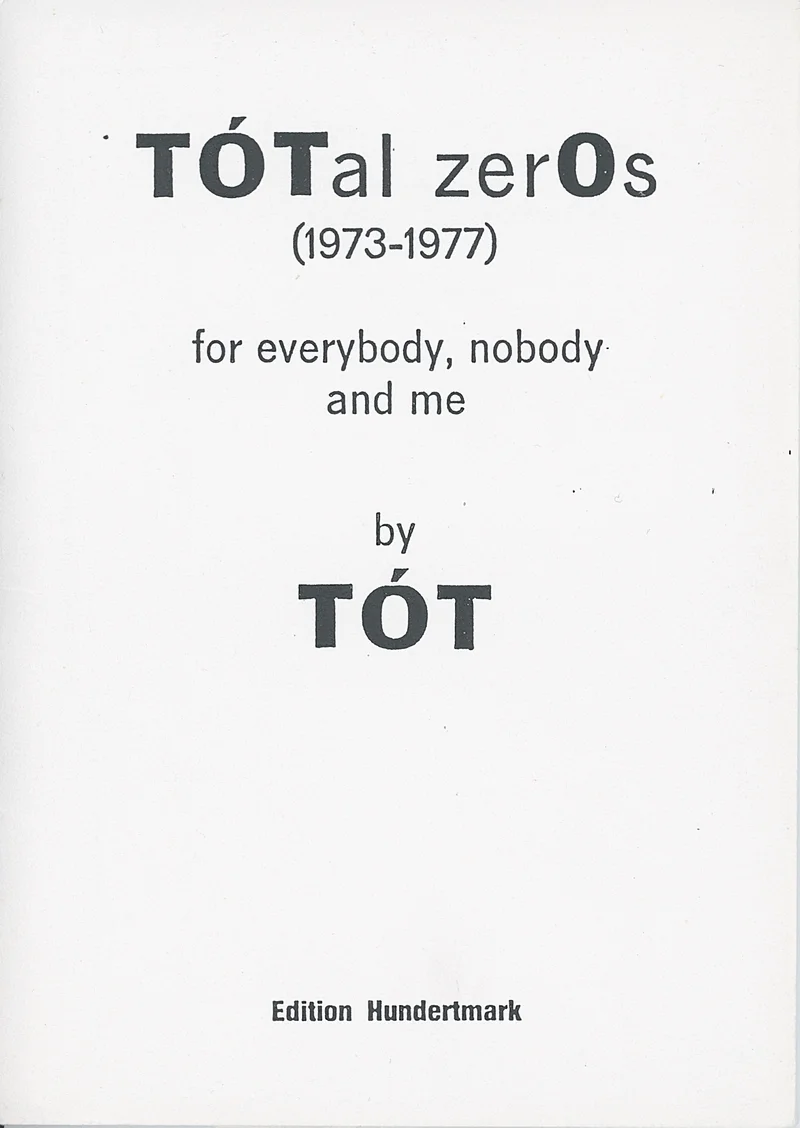
Ich kann es nicht oft genug wiederholen: Die Post war die einzige Möglichkeit, aus der Isolation herauszukommen … Durch die Post wurde ich rasch Teil der internationalen Avantgarde. […] Der Postverkehr funktionierte trotz der Diktatur erstaunlich gut.
Unser Titel Zone der Imagination greift den Titel einer Aktion auf, die Jarosław Kozłowski 1970 realisierte. Während eines Freilufttreffens von Künstler:innen und Kunsttheoretiker:innen in Polen installierte der Künstler in Osieki und Umgebung sowie in Koszalin eine Reihe identischer Schilder mit der Aufschrift Strefa Wyobraźni („Zone der Imagination“). Eine solche Aktion konnte harmlos erscheinen: Sie enthielt weder eine politische Forderung noch offene Kritik, sondern griff die Zeichensprache von Hinweisschildern auf. Indem der Künstler diese Beschilderung an unscheinbaren Orten platzierte, beanspruchte er auf subtile Weise einen Freiraum.
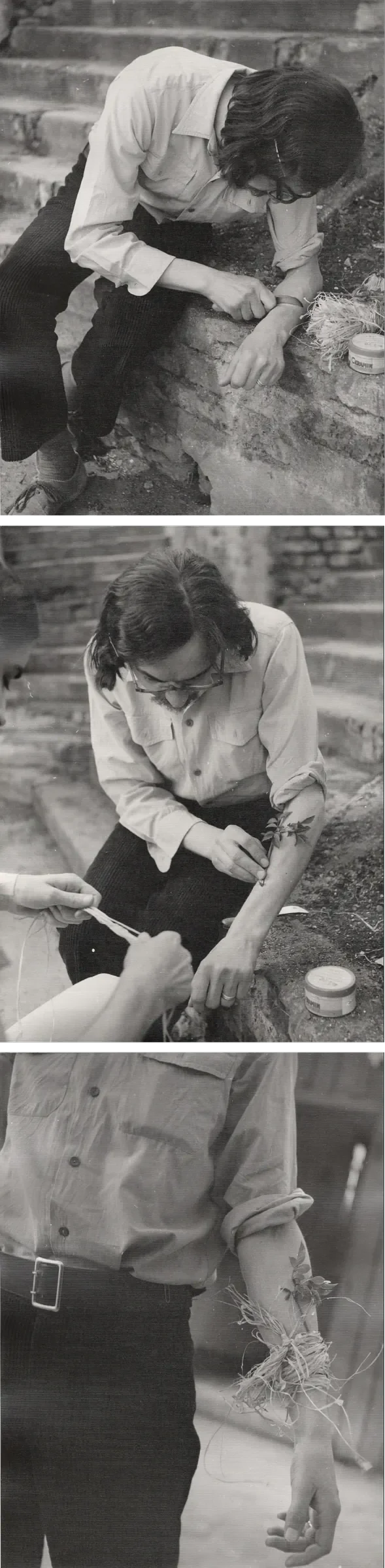
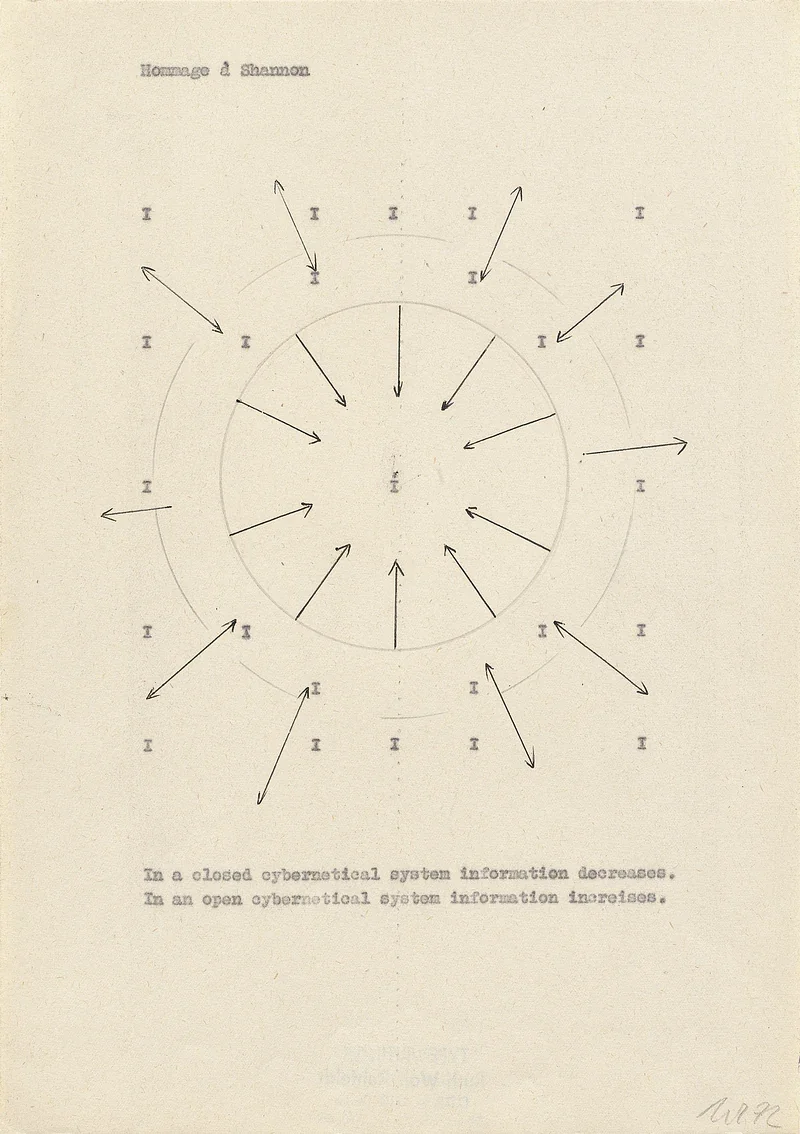
Die hier versammelten Werke führen diese Verschiebung fort. Sie verwenden alltägliche Träger, vertraute Werkzeuge – Schreibmaschine oder Nähmaschine –, dem Alltag entlehnte Gesten - küssen, kritzeln, durchbohren, pfropfen – sowie auf das Wesentliche reduzierte Wörter und Zeichen: Nullen und Spuren des Körpers. Aus einfachen Verschiebungen entsteht eine poetische Wirkung. Sie lässt eine andere Wirklichkeit hervortreten, ohne eine eindeutige Interpretation vorzugeben.
Emmanuelle Rapin und Raphaël Levy, August 2026.
(Aus dem Französischen übersetzt; Übersetzungslektorat: Emma Levy.)
In 1972, four articles appeared in the Swiss press reporting on the exhibition aktuelle kunst in osteuropa, presented at Galerie Krauthammer in Zurich around the eponymous book by the German art historian Klaus Groh (1936). In his foreword, Groh described how the project had originated:
[…] i received photographs and documents recording artistic activity in czechoslovakia. their originality and quality impressed me so much that i decided to seek out similar documentation from other eastern european countries.[…]
Building on this first contact, Groh approached artists living in the USSR and in countries of the Eastern Bloc by post and through a chain of contacts. More than eighty responded, sending him information about their artistic practices. He published this dense body of documentation without imposing any hierarchy, thereby offering one of the first broad overviews in Western Europe of the new avant-gardes in Eastern Europe.
The exhibition received a mixed response in the Swiss press. Several articles nevertheless shared the same assumption: that these artists were merely following trends already developed in the West.
Yet their work responded as much to their local contexts and their own artistic legacies as to the hegemony of the Western model. It developed despite the restrictions and isolation imposed by the regimes in power, whose degree of tolerance varied from one country to another.
The difficulties artists faced in exhibiting and taking part in international exchange encouraged the emergence of new forms of artistic practice and circulation. The NET Manifesto is an emblematic example. Initiated in Poland in 1971 by the art theorist Andrzej Kostołowski (1940) and the artist Jarosław Kozłowski (1945), the project relied in particular on the postal system. Open, non-commercial and without a centre, it could develop freely across different interconnected locations. Its manifesto and lists of addresses were sent to more than 300 people, including B. Burkhard (1944–2010), H. Szeemann (1933–2005) and A. Walker (1938–2000) in Switzerland. NET defined itself as follows:
- a NET is open and uncommercial
- points of the NET are: private homes, studios and any other places, where art propositions are articulated
- these propositions are presented to persons interested in them
- propositions may be accompanied by editions in form of prints, tapes, slides, photographs, catalogues, books, films, handbills, letters, manuscripts etc.
- NET has no central point and any coordination
- points of NET are anywhere
- all points of NET are in contact among themselves and exchange concepts, propositions, projects and other forms of articulation the idea of NET is not new and in this moment it stops to be an authorized idea
- NET can be arbitrarily developed and copied
NET thus contributed to the formation of a broad network of artistic circulation between the different countries of the Eastern Bloc, between East and West, and eventually far beyond Europe. In a 2011 interview, the Hungarian artist Endre Tót (1937) emphasised the vital role of Mail Art:
I cannot stress enough that the post was the only way to break out from isolation… Through the post, I rapidly became part of the international avant-garde. […] Postal traffic, despite dictatorship, worked surprisingly well.
Our exhibition takes its title, Imagination Zone, from an action carried out by Jarosław Kozłowski in 1970. The artist installed a series of identical signs bearing the words Strefa Wyobraźni (“Imagination Zone”) in Osieki and its surroundings, as well as in Koszalin, during an open-air meeting of artists and art theorists in Poland. Such an action might have appeared innocuous: it contained neither an explicit political demand nor a direct critique, but drew on the visual codes of road signage. By placing these signs in ordinary, unremarkable locations, the artist subtly asserted a space of freedom.
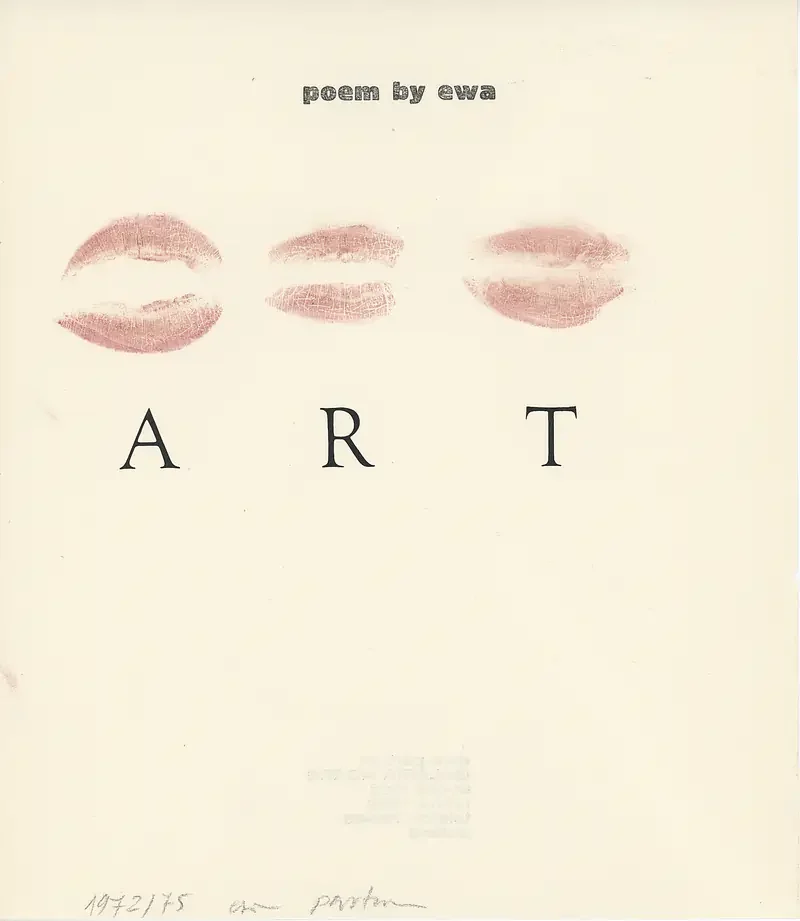
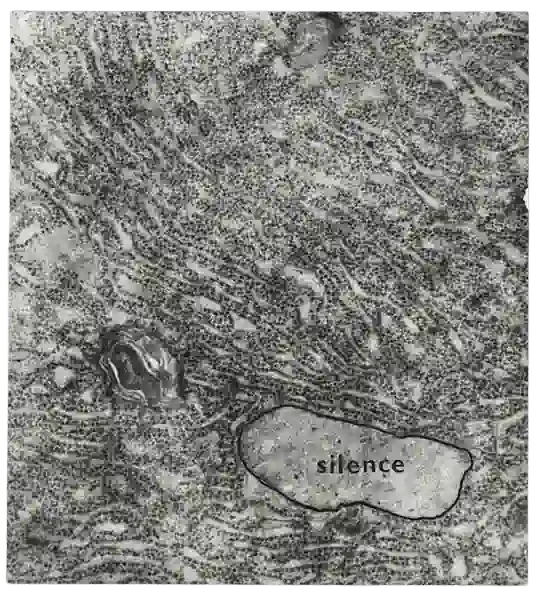
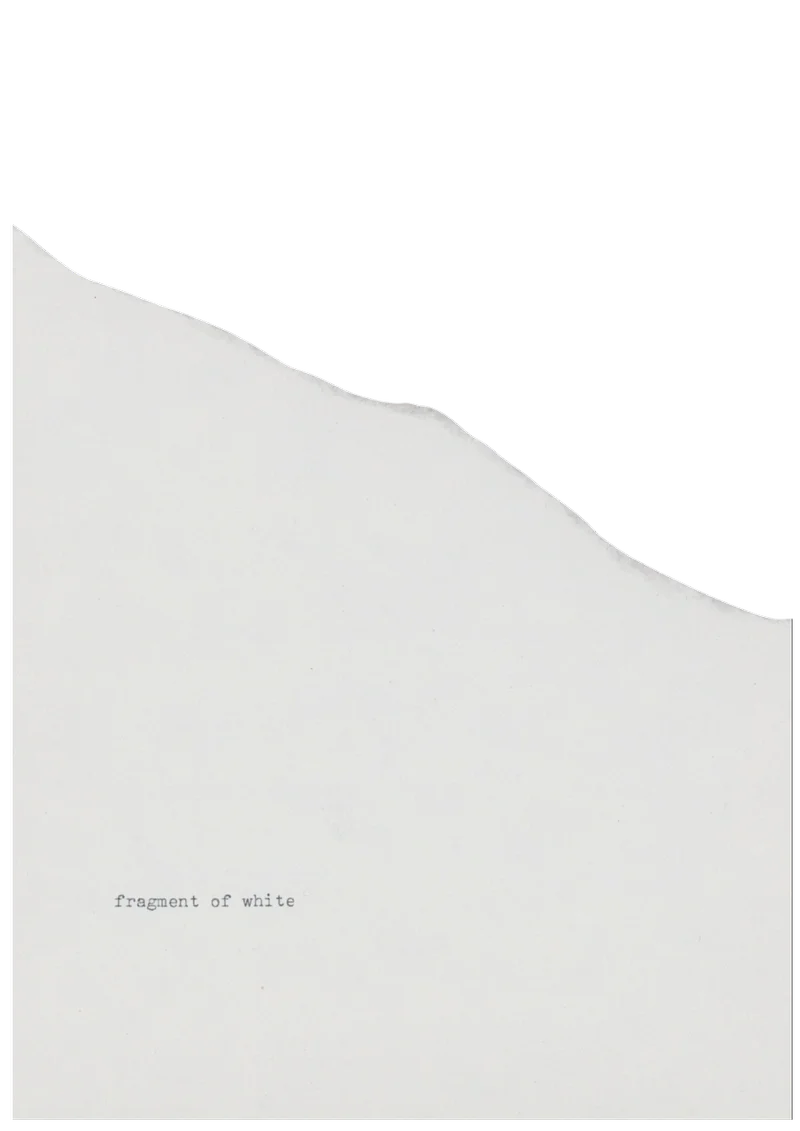
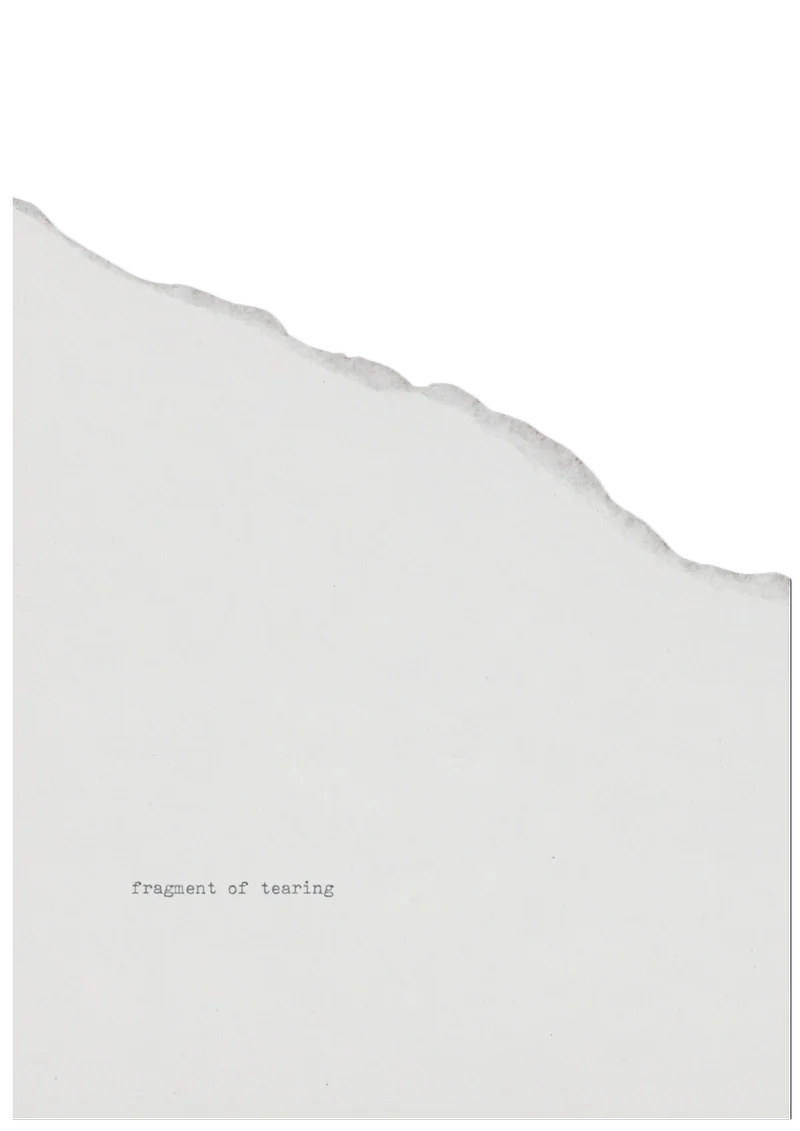
The works brought together here extend this way of opening a breach within reality. They employ ordinary materials and supports, familiar tools – such as the typewriter or sewing machine – gestures drawn from everyday life – kissing, scribbling, piercing, grafting – as well as words and signs pared down to their essentials: zeros, traces of the body. Poetic resonance arises from simple shifts. They reveal another reality without imposing a single interpretation.
Emmanuelle Rapin and Raphaël Levy, August 2026
En 1972, quatre articles parus dans la presse suisse rendaient compte de l’exposition aktuelle kunst in osteuropa, présentée à la galerie Krauthammer à Zurich autour du livre éponyme de l’historien de l’art allemand Klaus Groh. Dans son avant-propos, celui-ci expliquait la genèse de son projet :
[…] je reçus des photographies et des documents témoignant de l’activité artistique tchécoslovaque. leur originalité et leur qualité m’impressionnèrent à tel point que je décidai de rechercher des documentations similaires dans d’autres pays d’urope de l’est. […]
À partir de ce premier contact, Groh sollicita par voie postale et grâce à une chaîne de relations, des artistes vivant en URSS et dans les pays du bloc de l’Est. Plus de 80 lui répondirent en lui envoyant des informations sur leurs pratiques. Il publia cette documentation dense sans établir de hiérarchie, donnant ainsi en Europe occidentale l’un des premiers aperçus d’ensemble des nouvelles avant-gardes d’Europe de l’Est.
La réception de l’exposition par la presse suisse fut contrastée. Une même idée traversait cependant plusieurs articles : ces artistes n’auraient fait que suivre des tendances déjà élaborées à l’Ouest.
Or leurs recherches répondaient autant à leurs contextes locaux et à leurs propres héritages artistiques qu’à l’hégémonie du modèle artistique occidental. Elles se développèrent malgré les restrictions et l’isolement imposés par les régimes en place, dont le degré de tolérance variait d’un pays à l’autre.
Les difficultés à exposer et à prendre part aux échanges internationaux encouragèrent l’apparition de nouvelles formes de création et de circulation. Le manifeste NET en constitue un exemple emblématique. Initié en Pologne en 1971 par le théoricien de l’art Andrzej Kostołowski (1940) et l’artiste Jarosław Kozłowski (1945), le projet reposait notamment sur la voie postale. Ouvert, non commercial et sans centre, il pouvait se développer librement en différents lieux reliés entre eux. Son manifeste et des listes d’adresses furent envoyés à plus de 300 personnes, en Suisse à B. Burkhard (1944–2010), H. Szeemann (1933–2005) et A. Walker (1938–2000) entre autres. Voici comment NET se définissait lui-même :
- a NET is open and uncommercial
- points of the NET are: private homes, studios and any other places, where art propositions are articulated
- these propositions are presented to persons interested in them
- propositions may be accompanied by editions in form of prints, tapes, slides, photographs, catalogues, books, films, handbills, letters, manuscripts etc.
- NET has no central point and any coordination
- points of NET are anywhere
- all points of NET are in contact among themselves and exchange concepts, propositions, projects and other forms of articulation the idea of NET is not new and in this moment it stops to be an authorized idea
- NET can be arbitrarily developed and copied
NET contribua à former un vaste réseau de circulations artistiques entre les différents pays du bloc de l’Est, entre l’Est et l’Ouest, puis bien au-delà du continent européen. Dans un entretien accordé en 2011, l’artiste hongrois Endre Tót (1937) soulignait la fonction vitale de l’art postal :
Je ne le répéterai jamais assez, le courrier était la seule façon de sortir de l’isolement... Grâce au courrier, j’ai été rapidement intégré à l’avant-garde internationale. […] Le trafic postal, malgré la dictature, fonctionnait étonnamment bien.
Notre titre Zone d’imagination, reprend celui d’une action réalisée par Jarosław Kozłowski en 1970. L’artiste installa une série de panneaux identiques portant l’inscription Strefa Wyobraźni (« Zone d’imagination ») à Osieki et dans ses environs, ainsi qu’à Koszalin, lors d’une rencontre en plein air d’artistes et de théoriciens de l’art en Pologne. Un telle action pouvait sembler inoffensive, elle ne contenait ni revendication politique, ni critique frontale; elle reprenait des codes d'indication des panneaux de signalisation. En plaçant cette signalétique dans des endroits anodins l’artiste revendiquait ainsi, subtilement, un espace de liberté.
Les œuvres réunies ici prolongent ce déplacement. Elles emploient des supports ordinaires, des outils familiers – machine à écrire ou machine à coudre –, des gestes empruntés à la vie quotidienne – embrasser, crayonner, percer, greffer –, ainsi que des mots et des signes réduits à l’essentiel : des zéros, traces du corps. La résonance poétique naît de simples déplacements. Ceux-ci révèlent une autre réalité sans imposer d’interprétation unique.
Emmanuelle Rapin et Raphaël Levy, août 2026.
Vollständiger TextFull textTexte complet
Im Jahr 1972 erschienen in der Schweizer Presse (NZZ, Du Magazine, Der Bund und St. Galler Tagblatt) vier Artikel über eine Ausstellung in der Galerie Krauthammer in Zürich. Die Ausstellung mit dem Titel aktuelle kunst in osteuropa präsentierte das gleichnamige Buch, das der deutsche Kunsthistoriker Klaus Groh (1936) im selben Jahr veröffentlicht hatte. In seinem Vorwort erläuterte er die Entstehung seines Projekts folgendermassen:
petr štembera (prag) fragte mich im herbst 1970, ob ich irgendeine möglichkeit wüßte, einen umfassenden bericht über die augenblickliche kunstszene in der čssr zu veröffentlichen. einige tage später erhielt ich einige fotos und dokumente tschechoslowakischer aktivität. die originalität und die qualität der dokumente beeindruckte mich so sehr, daß ich den entschluß faßte, nach ähnlichen dokumentationen in anderen osteuropäischen ländern zu suchen.
Der Postweg bot Künstlerinnen und Künstlern aus den Ländern hinter dem Eisernen Vorhang damals eine Möglichkeit, Beschränkungen zu umgehen und mit den Kunstszenen innerhalb wie ausserhalb des Ostblocks zu kommunizieren. So wandte sich Groh auf dem Postweg und über ein Netzwerk von Kontakten an Künstlerinnen und Künstler in der UdSSR und ihren Satellitenstaaten. Mehr als 80 von ihnen antworteten und sandten ihm Informationen über ihre künstlerische Praxis. Groh veröffentlichte diese umfangreiche und vielfältige Dokumentation ohne hierarchische Ordnung. Damit wurden in Westeuropa erstmals Informationen über die Praktiken der neuen Avantgarden Osteuropas in einem Buch zusammengeführt.
Die Präsentation in Zürich wurde von der Schweizer Presse mit unterschiedlich kritischen Einschätzungen von Grohs Projekt aufgenommen. Allen Artikeln lag jedoch die Vorstellung zugrunde, die in der westlichen Sicht auf die Kunst Osteuropas lange verankert blieb: Die Künstlerinnen und Künstler der neuen Avantgarden Osteuropas hätten lediglich Tendenzen aufgegriffen, die im Westen bereits entwickelt worden waren.
Diese westliche Lesart wurde seither grundlegend revidiert. Eine zentrale Referenz für den vorliegenden Text ist das Buch In the Shadow of Yalta (2005) des polnischen Kunsthistorikers Piotr Piotrowski (1952–2015), das die osteuropäischen Avantgarden aus ihren jeweiligen politischen und künstlerischen Kontexten heraus betrachtet, anstatt sie am westlichen Modell zu messen.
In den 1970er-Jahren verfolgten junge Künstlerinnen und Künstler ihre Recherchen jedoch in enger Auseinandersetzung mit ihren jeweiligen lokalen Kontexten. Ihre Praktiken reagierten ebenso auf Fragestellungen, die aus ihren eigenen künstlerischen Traditionen hervorgingen, wie auf jene, die durch die Vorherrschaft des westlichen Kunstmodells aufgeworfen wurden. Ihre Überlegungen entfalteten sich trotz der Einschränkungen und der Isolation, die ihnen die herrschenden Regime auferlegten und deren Mass an Toleranz von Land zu Land unterschiedlich war.
Diese Schwierigkeiten, auszustellen und sich mit mehr oder weniger Freiheit am internationalen künstlerischen Austausch zu beteiligen, veranlassten Künstlerinnen und Künstler, neue Formen der künstlerischen Produktion und Zirkulation zu entwickeln, von denen Klaus Grohs Buch einen ersten Überblick vermitteln wollte. Ein exemplarisches Projekt unter den künstlerischen Ansätzen, die Kunstschaffende des Ostblocks mithilfe des Postwegs entwickelten, wurde 1971 in Polen vom Kunsttheoretiker Andrzej Kostołowski (1940) und dem Künstler Jarosław Kozłowski (1945) unter dem Namen NET-Manifest initiiert. Beide waren für Klaus Grohs Recherchen entscheidende Kontaktpersonen.
NET war ein offener, nicht kommerzieller Vorschlag für den künstlerischen Austausch, der insbesondere auf dem Postweg beruhte und sich an verschiedenen, miteinander verbundenen Orten entfalten konnte. In der Praxis verschickten die Initiatoren ein Manifest sowie Listen mit Namen und Adressen von Akteurinnen und Akteuren des kulturellen Feldes aus verschiedenen Ländern. NET wurde in seiner englischen Fassung an mehr als 300 Personen versandt – in der Schweiz unter anderem an B. Burkhard (1944–2010), H. Szeemann (1933–2005) und A. Walker (1938–2000). NET definierte sich selbst folgendermassen:
- a NET is open and uncommercial
- points of the NET are: private homes, studios and any other places, where art propositions are articulated
- these propositions are presented to persons interested in them
- propositions may be accompanied by editions in form of prints, tapes, slides, photographs, catalogues,
books, films, handbills, letters, manuscripts etc.
- NET has no central point and any coordination
- points of NET are anywhere
- all points of NET are in contact among themselves and exchange concepts, propositions, projects and other
forms of articulation
- the idea of NET is not new and in this moment it stops to be an authorized idea
- NET can be arbitrarily developed and copied
NET trug so zur Entstehung eines weitreichenden Netzwerks bei, in dem künstlerische Vorschläge sowohl zwischen Kunstschaffenden aus den verschiedenen Ländern des Ostblocks als auch zwischen Ost- und Westeuropa zirkulierten. Es ermöglichte ihnen, die Zensur zu umgehen und die von den Ideologien errichteten Grenzen zu überwinden. Dieses Netzwerk erstreckte sich weit über den europäischen Kontinent hinaus. In einem Interview aus dem Jahr 2011 betonte der ungarische Künstler Endre Tót (1937) die lebenswichtige Funktion der Mail Art:
Ich kann es nicht oft genug wiederholen: Die Post war die einzige Möglichkeit, aus der Isolation herauszukommen … Durch die Post wurde ich rasch Teil der internationalen Avantgarde. Mail Art ist das ungewöhnlichste Kapitel der Kunstgeschichte: Die Künstlerinnen und Künstler schickten einander völlig uneigennützig grossartige Werke … Der Postverkehr funktionierte trotz der Diktatur erstaunlich gut.
Auf diesem Weg konnte Endre Tót mit John Armleder (1948), Künstler und Mitbegründer von Galerie Ecart in Genf, sowie mit dem Zürcher Verleger Thomas Howeg zusammenarbeiten. Er sandte ihnen beispielsweise Buch- oder Stempelprojekte sowie mit der Schreibmaschine angefertigte Werke, die er in Ungarn weder produzieren noch ausstellen konnte.
Jarosław Kozłowski wiederum fügte den ersten Aussendungen von NET neben dem Manifest und der Adressliste auch theoretische Texte sowie Fotografien bei, die von ihm realisierte Installationen und Aktionen dokumentierten.
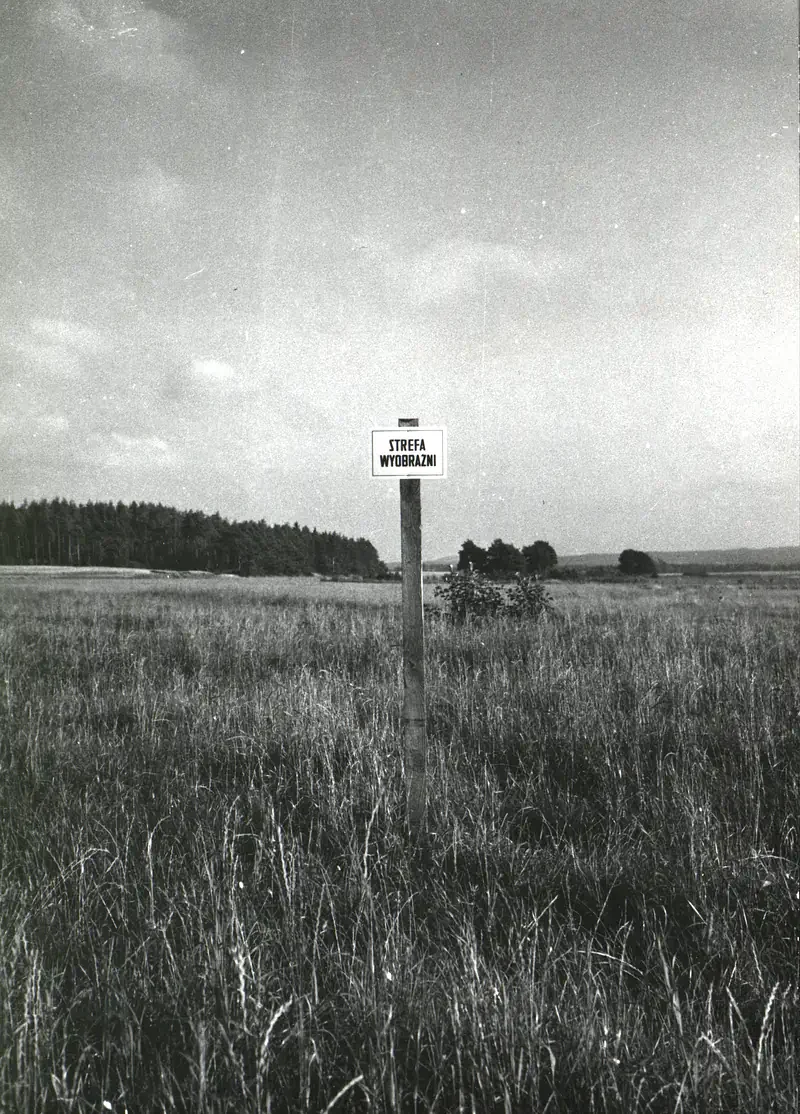
Der Titel unserer Ausstellung, Zone der Imagination, greift somit den Titel einer künstlerischen Aktion von Jarosław Kozłowski auf. Die Dokumentation dieser Aktion war den ersten Aussendungen von NET beigefügt und in Klaus Grohs Buch veröffentlicht worden. Eine Schwarz-Weiss-Fotografie zeigt ein in einem Feld aufgestelltes Hinweisschild mit der Aufschrift Strefa Wyobraźni, „Zone der Imagination“. Es gehörte zu einer Reihe identischer Schilder, die der Künstler in Osieki und dessen Umgebung sowie in Koszalin anlässlich eines Freilufttreffens von Künstlern und Kunsttheoretikern aufgestellt hatte.
Eine solche Aktion konnte harmlos erscheinen: Sie enthielt weder eine politische Forderung noch offene Kritik, griff jedoch die Zeichensprache von Hinweis- und Verbotsschildern auf. Indem Kozłowski diese Beschilderung an unscheinbaren Orten platzierte, lud er die Betrachtenden dazu ein, diese Räume anders wahrzunehmen und sie mit ihrer Vorstellungskraft zu erschliessen – einer Fähigkeit, die durch keine Grenze eingeschränkt werden konnte. Auf diese Weise beanspruchte er subtil einen Freiraum.
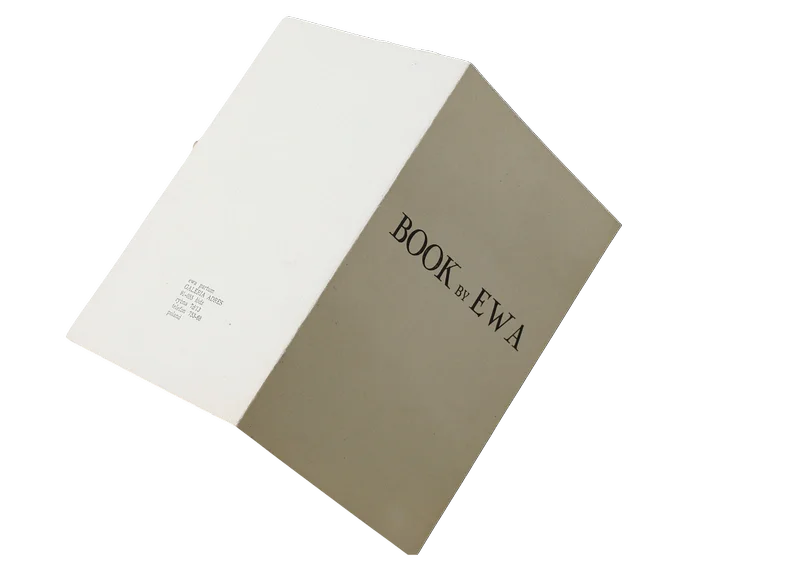
Die hier versammelten Werke führen diese Art fort, einen Riss in der Wirklichkeit aufzutun und so einen Freiraum entstehen zu lassen. Jarosław Kozłowski, Ewa Partum (1945, PL), Kajetan Sosnowski (1913–1987, PL), Petr Štembera (1945, CZ), Endre Tót und Jiří Valoch (1946, CZ) verwenden alltägliche Träger, vertraute Werkzeuge – Schreibmaschine oder Nähmaschine –, dem Alltag entlehnte Gesten – küssen, kritzeln, durchbohren, pfropfen – sowie auf das Wesentliche reduzierte Wörter und Zeichen: Nullen, Spuren des Körpers. Aus einfachen Verschiebungen entsteht eine poetische Wirkung. Sie lässt eine andere Wirklichkeit hervortreten, ohne eine eindeutige Interpretation vorzugeben.
Emmanuelle Rapin und Raphaël Levy, August 2026.
(Aus dem Französischen übersetzt; Übersetzungslektorat: Emma Levy.)
In 1972, four articles appeared in the Swiss press (NZZ, Du Magazine, Der Bund and St. Galler Tagblatt) reporting on an exhibition presented at Galerie Krauthammer in Zurich. Entitled aktuelle kunst in osteuropa, the exhibition featured the eponymous book published that same year by the German art historian Klaus Groh (1936). In his foreword, Groh described how the project had originated:
in the autumn of 1970, petr štembera (prague) […] asked me whether i knew of a way to publish a detailed account of the contemporary art scene in the czechoslovak socialist republic. a few days later, i received photographs and documents recording artistic activity in czechoslovakia. their originality and quality impressed me so much that i decided to seek out similar documentation from other eastern european countries.
At the time, the postal system offered artists living in countries behind the Iron Curtain a means of circumventing restrictions and communicating with art scenes both within and beyond the Eastern Bloc. It was therefore by post, and through a chain of contacts, that Groh approached artists in the USSR and its satellite states. More than eighty artists responded, sending him information about their artistic practices. Groh published this dense and varied body of documentation without imposing any hierarchy. For the first time in Western Europe, a publication brought together information on new avant-garde practices in Eastern Europe.
The Swiss press reception of the Zurich presentation ranged from more to less critical assessments of Groh’s project. However, they were all shaped by an assumption that would long remain rooted in Western perceptions of art from Central and Eastern Europe: that artists associated with the new avant-gardes of Eastern Europe were merely following trends already developed in the West. This Western reading has since been profoundly reassessed. An essential reference for the present text is In the Shadow of Yalta (2005) by the Polish art historian Piotr Piotrowski (1952–2015), which considers the avant-gardes of Eastern Europe in relation to their own political and artistic contexts, rather than measuring them against a Western model.
Yet in the 1970s, a younger generation of artists continued to develop their work in close relation to their respective local contexts. Their practices responded as much to questions arising from their own artistic legacies as to those raised by the hegemony of the Western artistic model. Their explorations unfolded despite the restrictions and isolation imposed by the regimes in power, whose degree of tolerance varied from one country to another.
These difficulties in exhibiting and participating, with varying degrees of freedom, in international artistic exchange encouraged artists to develop new forms of artistic practice and circulation, of which Klaus Groh’s book sought to provide an initial overview. One exemplary project among the artistic strategies developed by artists in the Eastern Bloc through the postal system was the NET Manifesto, initiated in Poland in 1971 by the art theorist Andrzej Kostołowski (1940) and the artist Jarosław Kozłowski (1945). Both had been key contacts in Groh’s research. NET was an open, non-commercial proposition for artistic exchange, based in particular on the postal system and capable of developing across different interconnected locations. In practice, the initiators sent out a manifesto together with lists of names and addresses of actors in the cultural field from different countries. The English version of NET was sent to more than 300 people, including B. Burkhard (1944–2010), H. Szeemann (1933–2005) and A. Walker (1938–2000) in Switzerland. NET defined itself as follows:
- a NET is open and uncommercial
- points of the NET are: private homes, studios and any other places, where art propositions are articulated
- these propositions are presented to persons interested in them
- propositions may be accompanied by editions in form of prints, tapes, slides, photographs, catalogues, books, films, handbills, letters, manuscripts etc.
- NET has no central point and any coordination
- points of NET are anywhere
- all points of NET are in contact among themselves and exchange concepts, propositions, projects and other forms of articulation
- the idea of NET is not new and in this moment it stops to be an authorized idea
- NET can be arbitrarily developed and copied
NET thus contributed to the formation of a broad network for the circulation of artistic propositions, both among artists in different countries of the Eastern Bloc and between artists in Eastern and Western Europe. It enabled them to circumvent censorship and cross boundaries imposed by ideological divisions. This network extended far beyond Europe.
In a 2011 interview, the Hungarian artist Endre Tót (1937) emphasised the vital role of Mail Art:
I cannot stress enough that the post was the only way to break out from isolation… Through the post, I rapidly became part of the international avant-garde. Mail art is the strangest chapter in the history of art: artists sent each other wonderful works absolutely selflessly... Postal traffic, despite dictatorship, worked surprisingly well.
It was through the post that Endre Tót was able to collaborate with John Armleder (1948), artist and co-founder of Galerie Ecart in Geneva, as well as with the publisher Thomas Howeg in Zurich. He sent them, for example, projects for books or rubber stamps, as well as typewriter works that he was unable to produce or exhibit in Hungary.
For his part, Jarosław Kozłowski included in the first NET mailings not only the manifesto and the list of addresses, but also theoretical texts and photographs documenting installations and actions he had carried out. The title of our exhibition, Imagination Zone, thus takes its name from an artistic action by Kozłowski, Strefa Wyobraźni (Imagination Zone). Documentation of the action was included in the first NET mailings and published in Klaus Groh’s book. A black-and-white photograph shows a sign placed in a field bearing the words Strefa Wyobraźni (“Imagination Zone”. It was one of a series of identical signs that the artist installed in Osieki and its surroundings, as well as in Koszalin, during an open-air artists’ meeting in Poland.
Such an action might have appeared innocuous: it contained neither an explicit political demand nor a direct critique, but drew on the visual codes of indication and prohibition associated with road signs. By placing this signage in ordinary, unremarkable locations, Kozłowski invited viewers to perceive these spaces differently and to invest them through their imagination – a faculty no border could constrain. In this way, he subtly asserted a space of freedom.
The works brought together here extend this way of opening a breach within reality. Jarosław Kozłowski, Ewa Partum (1945, PL), Kajetan Sosnowski (1913–1987, PL), Petr Štembera (1945, CZ), Endre Tót and Jiří Valoch (1946, CZ) use ordinary materials and supports, familiar tools – such as the typewriter or sewing machine – gestures drawn from everyday life – kissing, scribbling, piercing, grafting – as well as words and signs pared down to their essentials: zeros, traces of the body. Poetic resonance arises from simple shifts. They reveal another reality without imposing a single interpretation.
Emmanuelle Rapin and Raphaël Levy, August 2026
En 1972 paraissaient dans la presse suisse (NZZ, Du Magazine, Der Bund et St. Galler Tagblatt) quatre articles rendant compte d’une exposition présentée à la galerie Krauthammer à Zurich. L’exposition intitulée aktuelle kunst in osteuropa présentait le livre éponyme que l’historien de l’art allemand Klaus Groh (1936, DE) avait publié la même année. Dans son avant-propos il expliquait la genèse de son projet ainsi :
à l'automne 1970, petr štembera (prague) […] me demanda si je connaissais un moyen de publier un compte rendu détaillé de la scène artistique contemporaine en république socialiste tchécoslovaque. quelques jours plus tard, je reçus des photographies et des documents témoignant de l’activité artistique tchécoslovaque. leur originalité et leur qualité m’impressionnèrent à tel point que je décidai de rechercher des documentations similaires dans d’autres pays d’europe de l’est.
La voie postale était alors un moyen pour les artistes des pays situés derrière le rideau de fer de contourner les restrictions et de communiquer avec les scènes artistiques à l’intérieur du bloc de l’Est comme à l’extérieur. C’est donc par voie postale et grâce à une chaine de contacts, que Groh sollicita des artistes de l’URSS et de ses pays satellites. Plus de 80 artistes lui répondirent en envoyant des informations sur leur pratiques. Groh publia cette documentation dense et variée sans hiérarchie. C’était la première fois en Europe de l’ouest, qu’un ouvrage réunissait des informations sur les pratiques des nouvelles avant-gardes d’Europe de l’Est.
La réception de cette présentation à Zurich par la presse suisse exprimait des opinions plus ou moins critiques à propos du projet de Groh. Cependant ils étaient tous traversés par une idée qui resta longtemps ancrée dans la perception occidentale de l’art d’Europe centrale et orientale : les artistes des nouvelles avant-gardes d’Europe de l’Est n’auraient fait que suivre des tendances déjà élaborées à l’Ouest. Cette lecture occidentale a depuis été profondément révisée. Une référence essentielle pour le présent texte est l’ouvrage de l’historien de l’art polonais Piotr Piotrowski (1952-2015), In the Shadow of Yalta (2005), qui envisage les avant-gardes d’Europe de l’Est à partir de leurs contextes politiques et artistiques propres, plutôt qu’à l’aune du modèle occidental.
Or dans les années 1970 de jeunes artistes poursuivaient leurs recherches en prise avec leurs contextes locaux respectifs. Leurs pratiques répondaient autant aux questionnements issus de leurs propres héritages artistiques qu’à ceux soulevés par l’hégémonie du modèle artistique occidental. Leurs réflexions se déployèrent malgré les restrictions et l’isolement imposés par les régimes en place, dont le degré de tolérance variait d’un pays à l’autre.
Ces difficultés à exposer et à participer, avec plus ou moins de liberté, aux échanges artistiques internationaux encouragèrent des artistes à trouver de nouvelles formes de création et de circulation, dont l’ouvrage de Klaus Groh souhaitait donner un premier aperçu. Un projet exemplaire, parmi les solutions artistiques développées par des artistes du bloc de l’Est grâce à la voie postale, a été initié en Pologne en 1971 par le théoricien de l’art Andrzej Kostołowski (1940) et l’artiste Jarosław Kozłowski (1945, PL), sous le nom de manifeste NET. Ces derniers avaient été des contacts cruciaux pour les recherches de Klaus Groh. NET était une proposition ouverte et non commerciale d’échanges artistiques, reposant notamment sur la voie postale et qui pouvait se développer en différents lieux reliés entre eux. Dans la pratique, les auteurs ont envoyé un manifeste et des listes de noms et d’adresses d’acteurs culturels de différents pays. NET fut envoyé, dans sa version anglaise, à plus de 300 personnes, en Suisse à B. Burkhard (1944–2010), H. Szeemann (1933-2005) et A. Walker (1938–2000) entre autres. Voici comment NET se définissait lui-même :
- a NET is open and uncommercial
- points of the NET are: private homes, studios and any other places, where art propositions are articulated
- these propositions are presented to persons interested in them
- propositions may be accompanied by editions in form of prints, tapes, slides, photographs, catalogues,
books, films, handbills, letters, manuscripts etc.
- NET has no central point and any coordination
- points of NET are anywhere
- all points of NET are in contact among themselves and exchange concepts, propositions, projects and other
forms of articulation
- the idea of NET is not new and in this moment it stops to be an authorized idea
- NET can be arbitrarily developed and copied
NET contribua à former un vaste réseau de circulations artistiques aussi bien entre les artistes des différents pays du bloc de l’Est qu’entre les artistes d’Europe de l’Est et ceux d’Europe de l’Ouest. Il leur permit de contourner la censure et de franchir les frontières imposées par les idéologies. Ce réseau se prolongea bien au-delà du continent européen. Dans un entretien accordé en 2011, L’artiste hongrois Endre Tót (1937) soulignait la fonction vitale de l’art postal :
Je ne le répéterai jamais assez, le courrier était la seule façon de sortir de l'isolement... Grâce au courrier, j'ai été rapidement intégré à l'avant-garde internationale. Le Mail Art est le chapitre le plus étrange de l'histoire de l'art : les artistes s'étaient envoyé des œuvres magnifiques de manière absolument désintéressée... Le trafic postal, malgré la dictature, fonctionnait étonnamment bien.
C’est par cette voie qu’Endre Tót put collaborer avec John Armleder (1948), artiste et cofondateur d’Ecart à Genève, ainsi qu’avec l’éditeur Thomas Howeg à Zurich. Il leur envoyait par exemple des projets de livres ou de tampons, des oeuvres réalisées à la machine à écrire, qu’il ne pouvait ni produire ou exposer en Hongrie.
Pour sa part Jarosław Kozłowski, joignit aux premiers envois de NET non seulement le manifeste et la liste des adresses mais aussi des textes théoriques et des photographies documentant des installations ou des actions qu’il avait réalisées.
Le titre de notre exposition, Zone d’imagination, reprend ainsi celui d’une action artistique de Kozlowski. La documentation de cette action avait été jointe aux premiers envois de NET et publiée dans l’ouvrage de Klaus Groh. Une photographie en noir et blanc montrait un panneau de signalisation planté dans un champ et portant les mots Strefa Wyobraźni, « Zone d’imagination ». Il appartenait à un ensemble de panneaux identiques que l’artiste avait installés à Osieki et dans ses environs, ainsi qu’à Koszalin, à l’occasion d’une rencontre en plein air réunissant artistes et théoriciens de l’art en Pologne.
Une telle action pouvait sembler inoffensive : elle ne contenait ni revendication politique, ni critique frontale, mais elle reprenait des codes d’indication ou d’interdiction propres aux panneaux de signalisation. En plaçant cette signalétique dans des lieux anodins, Kozłowski invitait le spectateur à percevoir ces espaces autrement et à les investir par son imagination, une faculté qu’aucune frontière ne pouvait limiter. Il revendiquait ainsi, subtilement, un espace de liberté.
Les œuvres réunies ici prolongent cette manière d’ouvrir une brèche dans le réel. Jarosław Kozłowski, Ewa Partum (1945, PL), Kajetan Sosnowski (1913–1987, PL), Petr Štembera (1945, CZ), Endre Tót et Jiří Valoch (1946, CZ) emploient des supports ordinaires, des outils familiers – machine à écrire ou machine à coudre –, des gestes empruntés à la vie quotidienne – embrasser, crayonner, percer, greffer –, ainsi que des mots et des signes réduits à l’essentiel : des zéros, des traces du corps. La résonance poétique naît de simples déplacements. Ceux-ci révèlent une autre réalité sans imposer d’interprétation unique.
Emmanuelle Rapin et Raphaël Lévy, août 2026.
Ausgestellte Werke und DokumenteWorks and documents on viewŒuvres et documents exposés

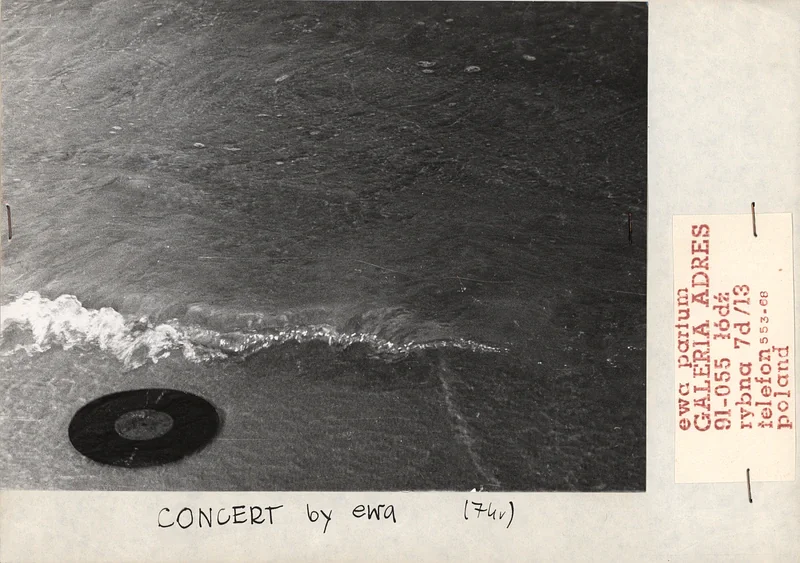
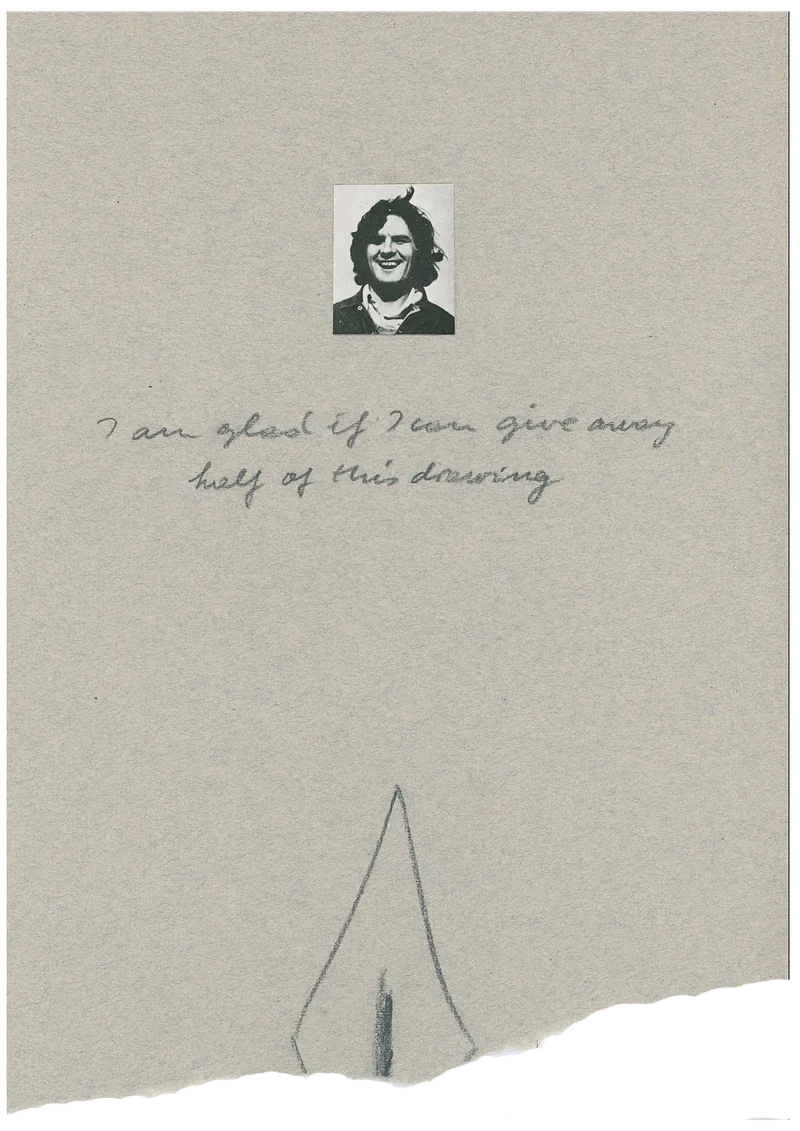
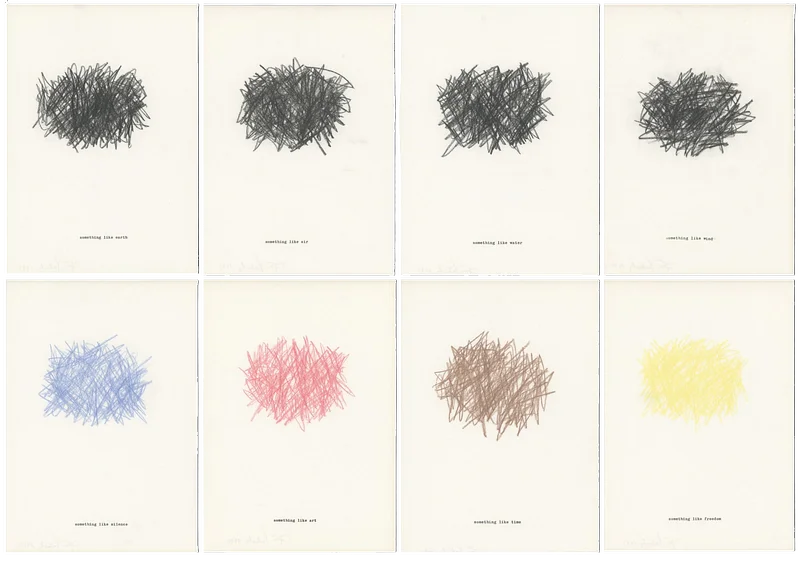
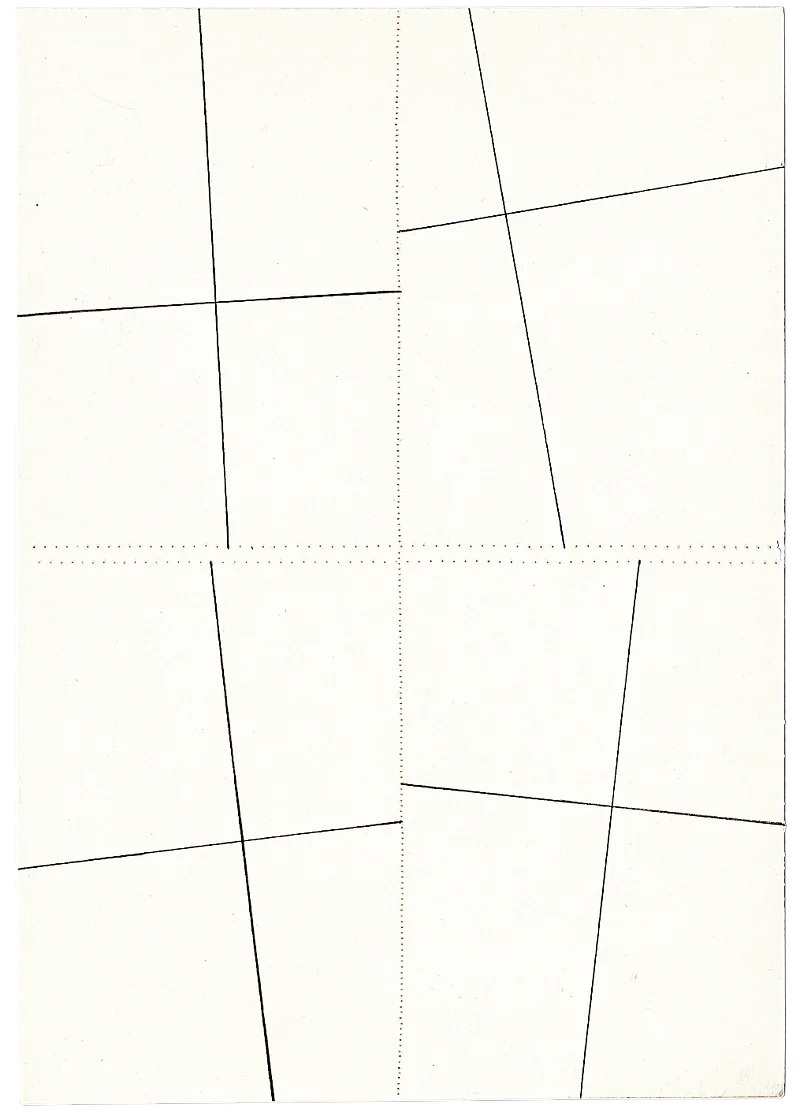
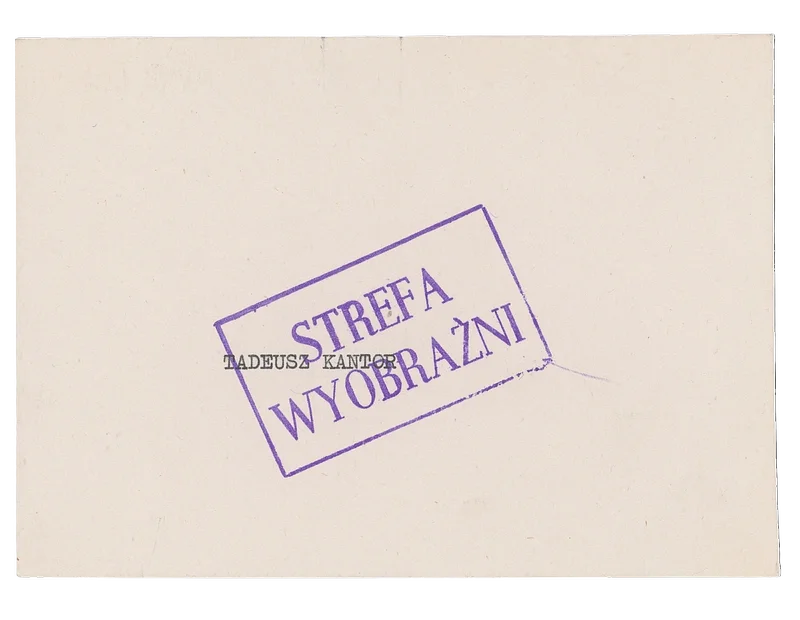

P. Wd., «Aktuelle Kunst in Osteuropa», in: Neue Zürcher Zeitung, 19. Mai 1972; F., «Moderne Kunst aus Osteuropa», in: St. Galler Tagblatt, 29. Mai 1972; «Aktuelle Kunst in Osteuropa. Buch und Ausstellung in Zürich», in: Der Bund, 30. Mai 1972; P. K., «Aktuelle Kunst in Osteuropa», in: Du Magazine, Juni 1972.
P. Wd., « Aktuelle Kunst in Osteuropa », dans Neue Zürcher Zeitung, 19 mai 1972 ; F., « Moderne Kunst aus Osteuropa », dans St. Galler Tagblatt, 29 mai 1972 ; « Aktuelle Kunst in Osteuropa. Buch und Ausstellung in Zürich », dans Der Bund, 30 mai 1972 ; P. K., « Aktuelle Kunst in Osteuropa », dans Du Magazine, juin 1972.
P. Wd., “Aktuelle Kunst in Osteuropa”, in Neue Zürcher Zeitung, 19 May 1972; F., “Moderne Kunst aus Osteuropa”, in St. Galler Tagblatt, 29 May 1972; “Aktuelle Kunst in Osteuropa. Buch und Ausstellung in Zürich”, in Der Bund, 30 May 1972; P. K., “Aktuelle Kunst in Osteuropa”, in Du, June 1972.
Wir übernehmen hier die von Klaus Groh in den Titeln und den zitierten Texten durchgängig verwendete Kleinschreibung.
Nous respectons ici l’usage systématique des minuscules en allemand adopté par Klaus Groh dans les titres et textes cités.
We retain Klaus Groh’s consistent use of lowercase in the titles and quoted texts.
Klaus Groh, aktuelle kunst in osteuropa. čssr, jugoslawien, polen, rumänien, udssr, ungarn, Köln, DuMont Schauberg, 1972.
Klaus Groh, aktuelle kunst in osteuropa. čssr, jugoslawien, polen, rumänien, udssr, ungarn, Cologne, DuMont Schauberg, 1972. Traduit de l’allemand en français par les auteurs.
Klaus Groh, aktuelle kunst in osteuropa. čssr, jugoslawien, polen, rumänien, udssr, ungarn, Cologne, DuMont Schauberg, 1972. Translated from German into English by the authors.
Vgl. hierzu: Piotr Piotrowski (1952–2015), erstmals auf Polnisch erschienen als Awangarda w cieniu Jałty. Sztuka w Europie Środkowo-Wschodniej w latach 1945–1989, Poznań: Rebis, 2005; englische Übersetzung von Anna Brzyski: In the Shadow of Yalta: Art and the Avant-garde in Eastern Europe, 1945–1989, London: Reaktion Books, 2009.
Cf. Piotr Piotrowski (1952–2015), publié pour la première fois en polonais sous le titre Awangarda w cieniu Jałty. Sztuka w Europie Środkowo-Wschodniej w latach 1945–1989, Poznań : Rebis, 2005 ; traduction anglaise d’Anna Brzyski : In the Shadow of Yalta: Art and the Avant-garde in Eastern Europe, 1945–1989, Londres : Reaktion Books, 2009.
See Piotr Piotrowski, first published in Polish as Awangarda w cieniu Jałty. Sztuka w Europie Środkowo-Wschodniej w latach 1945–1989, Poznań: Rebis, 2005; English translation by Anna Brzyski: In the Shadow of Yalta: Art and the Avant-garde in Eastern Europe, 1945–1989, London: Reaktion Books, 2009.
Jarosław Kozłowski und Andrzej Kostołowski, NET-Manifest, englische Fassung, Poznań 1971, Originalaussendung, o. S.
Jarosław Kozłowski et Andrzej Kostołowski, Manifeste NET, version anglaise, Poznań, 1971, envoi original, non paginé.
Jarosław Kozłowski and Andrzej Kostołowski, NET Manifesto, English version, Poznań, 1971, original mailing, unpaginated.
Endre Tót, Interview mit Marta Smolińska, „I’m glad if I can make an interview“, in: CoCAin. Review of Contemporary Art Centres and Museums, Nr. 2, März 2013, S. 42–51, hier S. 44-45. Das Interview wurde ursprünglich für artluk, Nr. 1 (19), 2011, geführt.
Endre Tót, entretien avec Marta Smolińska, « I’m glad if I can make an interview », CoCAin, Review of Contemporary Art Centres and Museums, no 2, mars 2013, p. 42–51. Entretien initialement réalisé pour artluk, no 1 (19), 2011. Traduit de l’anglais en français par les auteurs.
Endre Tót, interview with Marta Smolińska, “I’m glad if I can make an interview”, CoCAin, Review of Contemporary Art Centres and Museums, no. 2, March 2013, pp. 42–51. Originally conducted for artluk, no. 1 (19), 2011.
VIII Spotkanie Artystów i Teoretyków Sztuki Świdwin/Osieki (8. Treffen der Künstler und Kunsttheoretiker Świdwin/Osieki), 1970, unter dem Motto „Propozycje“ (Vorschläge).
VIII Spotkanie Artystów i Teoretyków Sztuki Świdwin/Osieki (8e Rencontre des artistes et théoriciens de l’art, Świdwin/Osieki), 1970, sous le mot d’ordre Propozycje (Propositions).
VIII Spotkanie Artystów i Teoretyków Sztuki Świdwin/Osieki (8th Meeting of Artists and Art Theorists, Świdwin/Osieki), 1970, under the motto Propozycje (Propositions).
P. Wd., «Aktuelle Kunst in Osteuropa», in: Neue Zürcher Zeitung, 19. Mai 1972; F., «Moderne Kunst aus Osteuropa», in: St. Galler Tagblatt, 29. Mai 1972; «Aktuelle Kunst in Osteuropa. Buch und Ausstellung in Zürich», in: Der Bund, 30. Mai 1972; P. K., «Aktuelle Kunst in Osteuropa», in: Du Magazine, Juni 1972.
P. Wd., « Aktuelle Kunst in Osteuropa », dans Neue Zürcher Zeitung, 19 mai 1972 ; F., « Moderne Kunst aus Osteuropa », dans St. Galler Tagblatt, 29 mai 1972 ; « Aktuelle Kunst in Osteuropa. Buch und Ausstellung in Zürich », dans Der Bund, 30 mai 1972 ; P. K., « Aktuelle Kunst in Osteuropa », dans Du Magazine, juin 1972.
P. Wd., “Aktuelle Kunst in Osteuropa”, in Neue Zürcher Zeitung, 19 May 1972; F., “Moderne Kunst aus Osteuropa”, in St. Galler Tagblatt, 29 May 1972; “Aktuelle Kunst in Osteuropa. Buch und Ausstellung in Zürich”, in Der Bund, 30 May 1972; P. K., “Aktuelle Kunst in Osteuropa”, in du, June 1972.
Wir übernehmen hier die von Klaus Groh in den Titeln und den zitierten Texten durchgängig verwendete Kleinschreibung.
Nous respectons ici l’usage systématique des minuscules adopté par Klaus Groh dans les titres et textes cités.
We retain Klaus Groh’s consistent use of lowercase in the titles and quoted texts.
Klaus Groh, aktuelle kunst in osteuropa. čssr, jugoslawien, polen, rumänien, udssr, ungarn, Köln, DuMont Schauberg, 1972. Rechtschreibung und Typografie der Originalzitate wurden beibehalten.
Klaus Groh, aktuelle kunst in osteuropa. čssr, jugoslawien, polen, rumänien, udssr, ungarn, Cologne, DuMont Schauberg, 1972. Traduit de l’allemand en français par les auteurs.
Klaus Groh, aktuelle kunst in osteuropa. čssr, jugoslawien, polen, rumänien, udssr, ungarn, Cologne: DuMont Schauberg, 1972. Translated from German into English by the authors.
Piotr Piotrowski, erstmals auf Polnisch erschienen als Awangarda w cieniu Jałty. Sztuka w Europie Środkowo-Wschodniej w latach 1945–1989, Poznań: Rebis, 2005; englische Übersetzung von Anna Brzyski: In the Shadow of Yalta: Art and the Avant-garde in Eastern Europe, 1945–1989, London: Reaktion Books, 2009.
Piotr Piotrowski, ouvrage paru pour la première fois en polonais sous le titre Awangarda w cieniu Jałty. Sztuka w Europie Środkowo-Wschodniej w latach 1945–1989, Poznań, Rebis, 2005 ; traduction anglaise par Anna Brzyski, In the Shadow of Yalta: Art and the Avant-garde in Eastern Europe, 1945–1989, Londres, Reaktion Books, 2009.
Piotr Piotrowski, first published in Polish as Awangarda w cieniu Jałty. Sztuka w Europie Środkowo-Wschodniej w latach 1945–1989, Poznań: Rebis, 2005; English translation by Anna Brzyski, In the Shadow of Yalta: Art and the Avant-garde in Eastern Europe, 1945–1989, London: Reaktion Books, 2009.
Jarosław Kozłowski und Andrzej Kostołowski, NET-Manifest, englische Fassung, Poznań 1971, Originalaussendung, o. S.
Jarosław Kozłowski et Andrzej Kostołowski, Manifeste NET, version anglaise, Poznań, 1971, envoi original, non paginé.
Jarosław Kozłowski and Andrzej Kostołowski, NET Manifesto, English version, Poznań, 1971, original mailing, unpaginated.
Endre Tót, Interview mit Marta Smolińska, „I’m glad if I can make an interview“, in: CoCAin. Review of Contemporary Art Centres and Museums, Nr. 2, März 2013, S. 42–51, hier S. 44-45. Das Interview wurde ursprünglich für artluk, Nr. 1 (19), 2011, geführt.
Endre Tót, entretien avec Marta Smolińska, « I’m glad if I can make an interview », CoCAin, Review of Contemporary Art Centres and Museums, no 2, mars 2013, p. 42–51. Entretien initialement réalisé pour artluk, no 1 (19), 2011. Traduit de l’anglais en français par les auteurs.
Endre Tót, interview with Marta Smolińska, “I’m glad if I can make an interview”, CoCAin, Review of Contemporary Art Centres and Museums, no. 2, March 2013, pp. 42–51. Originally conducted for artluk, no. 1 (19), 2011.
VIII Spotkanie Artystów i Teoretyków Sztuki Świdwin/Osieki (8. Treffen der Künstler und Kunsttheoretiker Świdwin/Osieki), 1970, unter dem Motto „Propozycje“ (Vorschläge)
VIII Spotkanie Artystów i Teoretyków Sztuki Świdwin/Osieki (8e Rencontre des artistes et théoriciens de l’art, Świdwin/Osieki), 1970, sous le mot d’ordre Propozycje (Propositions).
VIII Spotkanie Artystów i Teoretyków Sztuki Świdwin/Osieki (8th Meeting of Artists and Art Theorists, Świdwin/Osieki), 1970, under the motto Propozycje (Propositions).
VERGANGENE AUSSTELLUNGEXPOSITION PASSÉEPAST EXHIBITION
RUTH WOLF-REHFELDT
ZusammenfassungSummaryRésumé
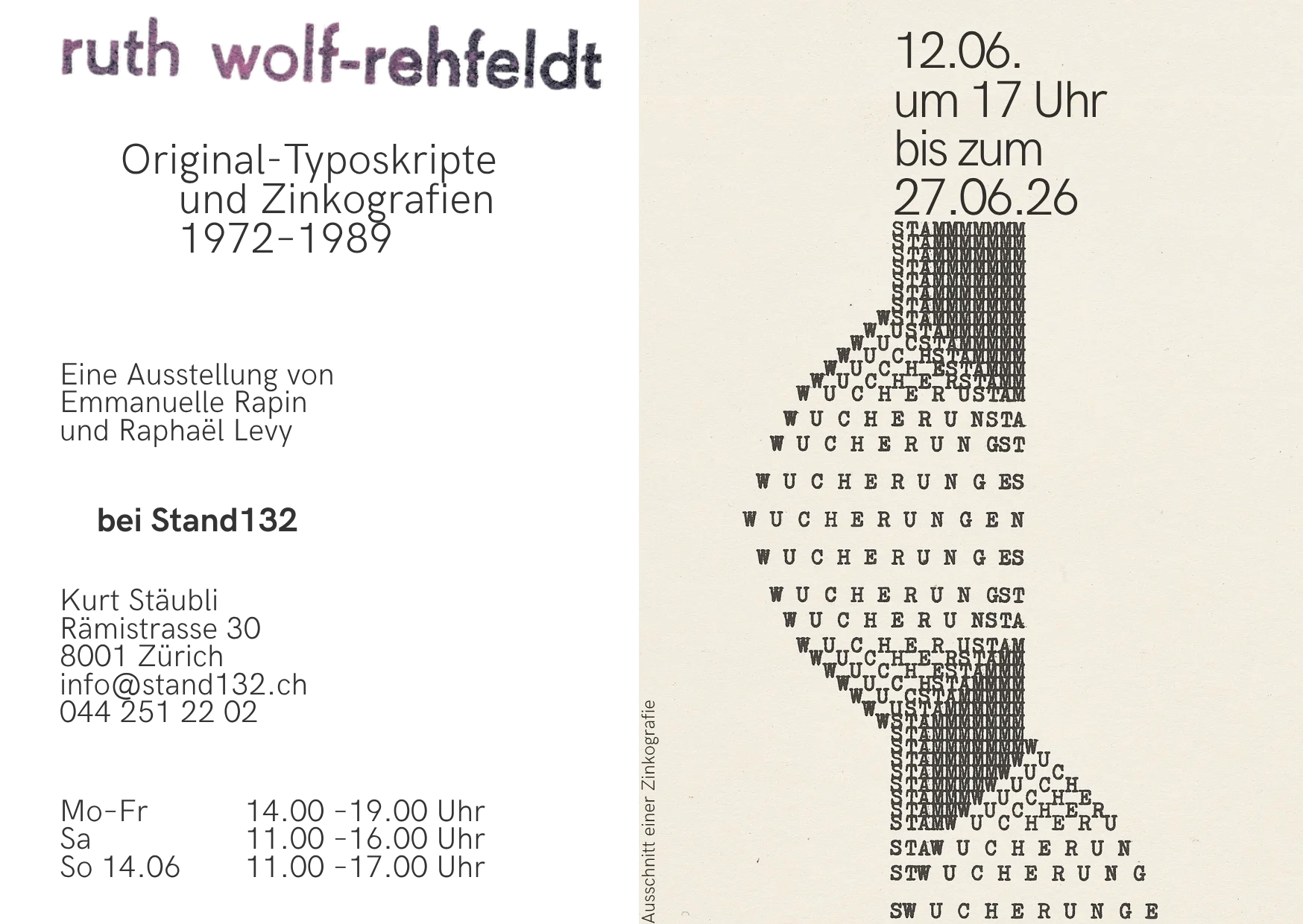
Diese Ausstellung versammelt originale Typoskripte und Zinkografien von Ruth Wolf-Rehfeldt aus den Jahren 1972 bis 1989. Im Zentrum stehen Arbeiten, in denen Schrift, Zeichen, Wiederholung und Struktur zu einer präzisen Form visuellen Denkens werden.
Wolf-Rehfeldts Werk verbindet konkrete Poesie, Mail Art und konzeptuelle Bildsprachen. Ihre Blätter entstehen aus elementaren typografischen Setzungen, die sich zu rhythmischen, oft architektonischen Kompositionen verdichten.
This exhibition brings together original typescripts and zincographs by Ruth Wolf-Rehfeldt from the years 1972 to 1989. The presentation focuses on works in which writing, signs, repetition and structure become a precise form of visual thinking.
Wolf-Rehfeldt’s work connects concrete poetry, Mail Art and conceptual visual languages. Her sheets are built from elemental typographic gestures that develop into rhythmic, often architectural compositions.
Cette exposition réunit des typoscripts originaux et des zincographies de Ruth Wolf-Rehfeldt réalisés entre 1972 et 1989. Elle met en avant des œuvres dans lesquelles l’écriture, le signe, la répétition et la structure deviennent une forme précise de pensée visuelle.
L’œuvre de Wolf-Rehfeldt relie poésie concrète, Mail Art et langages conceptuels. Ses feuilles naissent de gestes typographiques élémentaires qui se déploient en compositions rythmiques, souvent presque architecturales.
Ausgestellte Werke und DokumenteWorks and documents on viewŒuvres et documents exposés
bccnbc
